
The “Three-Layer Protection” for Automotive Safety:
Safety Mats Block, Light Curtains Guard, LiDAR Detects —
Keeping Automated Operations Safe and Under Control!
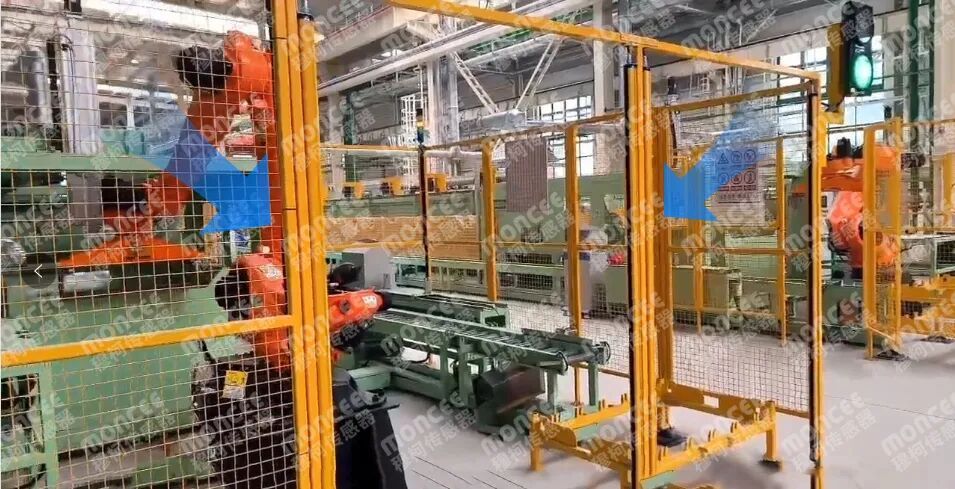
As the automotive manufacturing industry continues to move toward greater automation and intelligence, core equipment such as welding robotic arms, multi-station stamping presses, and overhead suspended conveyor systems has been widely adopted throughout the stamping, welding, painting, and final assembly processes. While these technologies significantly improve production efficiency and processing precision, they also introduce multiple safety risks, including collisions, crushing, mold-related injuries, high-temperature burns, and falling workpieces, posing serious challenges to the safety of human-machine collaborative operations.
This article focuses on typical safety hazards in automotive manufacturing and systematically explains the application principles and practical solutions for protective devices such as industrial safety mats, safety light curtains, and LiDAR, providing professional guidance for establishing comprehensive safety protection systems in the automotive manufacturing industry.
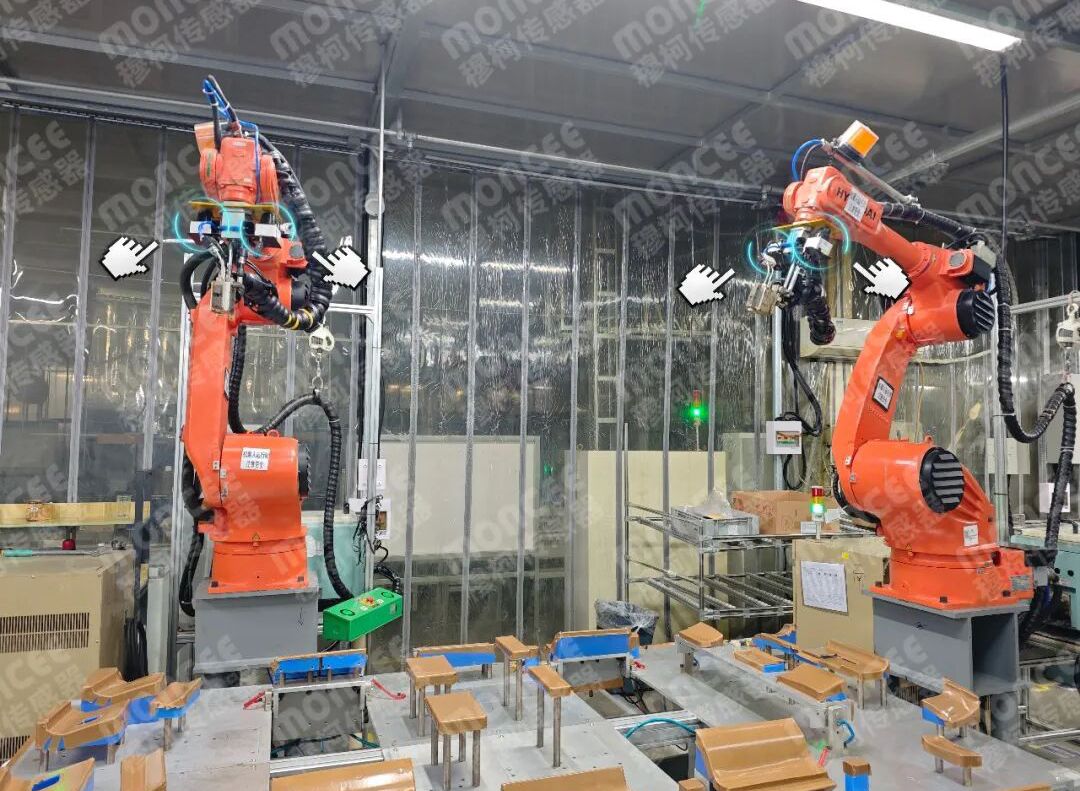
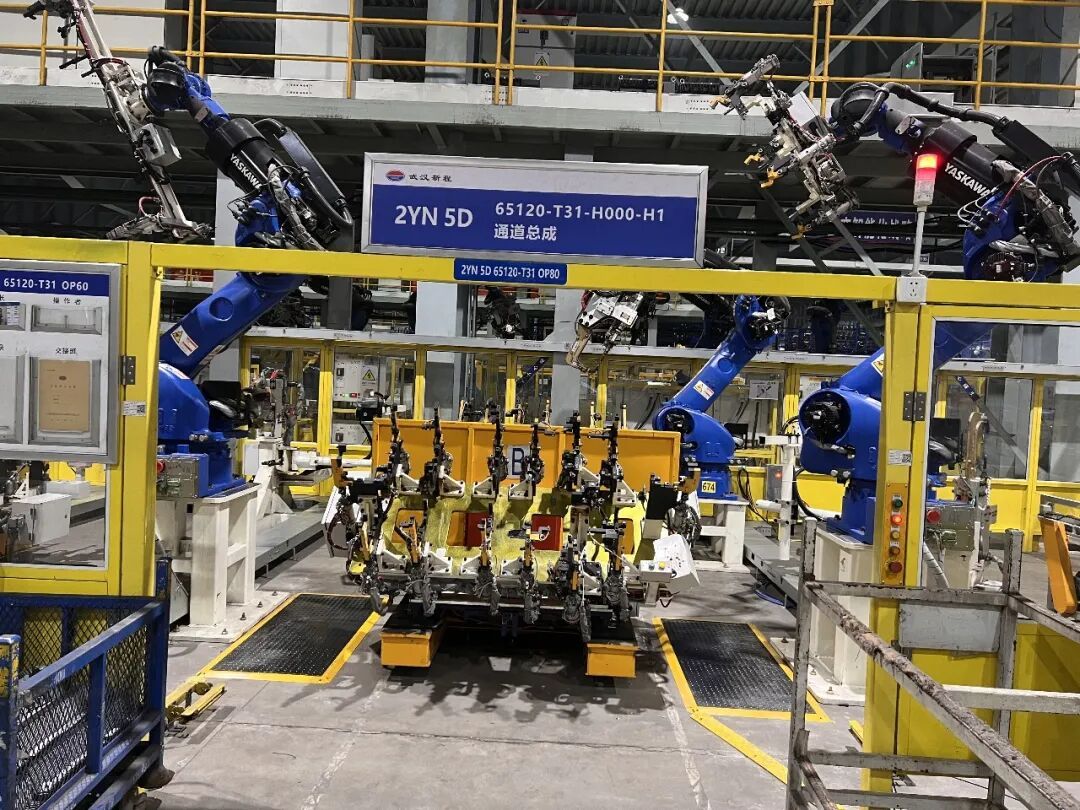
As a key piece of automation equipment for welding, assembly, material handling, painting, and other core automotive manufacturing processes, robotic arms significantly improve vehicle production efficiency and component processing precision through their high-speed operation. They also reduce the physical workload of workers in high-risk environments, making them an indispensable part of modern automotive production systems.
However, robotic arms also present multiple safety hazards during operation, including collisions, crushing and shearing injuries, high-temperature burns, and injuries caused by falling workpieces, posing significant challenges to human-machine collaborative safety.
To address these risks, flexible safety protection solutions can be implemented to establish a reliable safety barrier:
Safety light curtains can serve as a fundamental protection solution. The transmitter and receiver create an invisible protective light curtain, and when a person or object enters the predefined hazardous area, the system immediately triggers the equipment to stop.
Safety mats can be used as a complementary protection solution. They can be installed along the edge of the robotic arm's operating radius and in critical access areas. If a person accidentally steps onto the mat, it quickly interrupts the operating power and stops the equipment.
LiDAR provides an intelligent, upgraded protection solution by defining a scanning area, monitoring unauthorized entries in real time, and triggering an emergency stop when an intrusion is detected.
These three types of safety devices can be combined to provide multiple layers of protection or independently deployed according to specific site conditions, providing flexible and reliable safety protection for robotic arm applications.
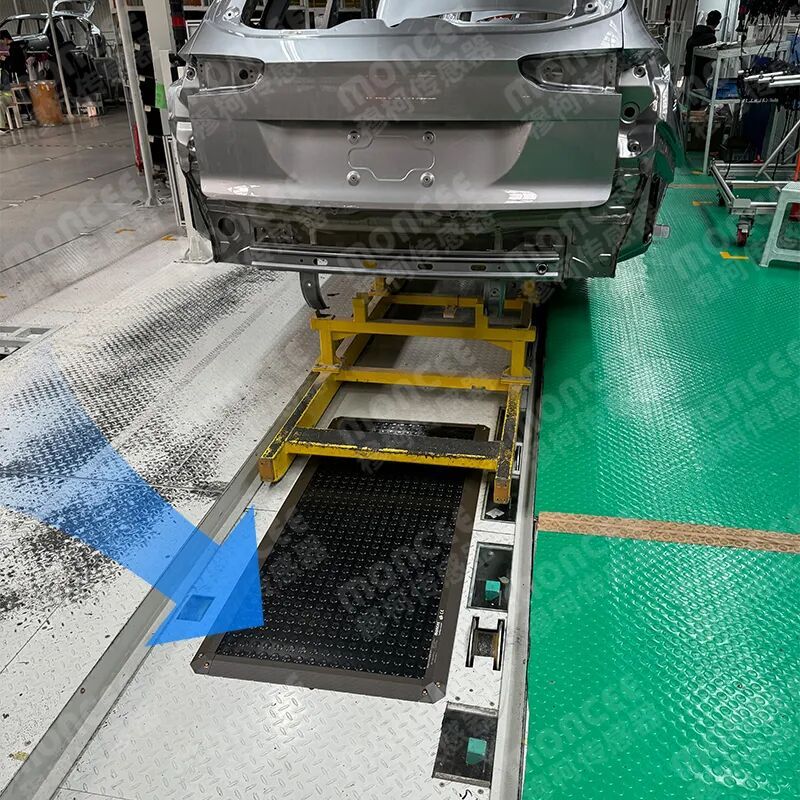
In key automotive manufacturing processes such as painting and final assembly, overhead suspended conveyor systems and track-based production lines are essential material-handling systems. Moving workpieces, such as vehicle bodies, and suspension mechanisms can pose collision and crushing hazards to personnel who accidentally enter the operating area.
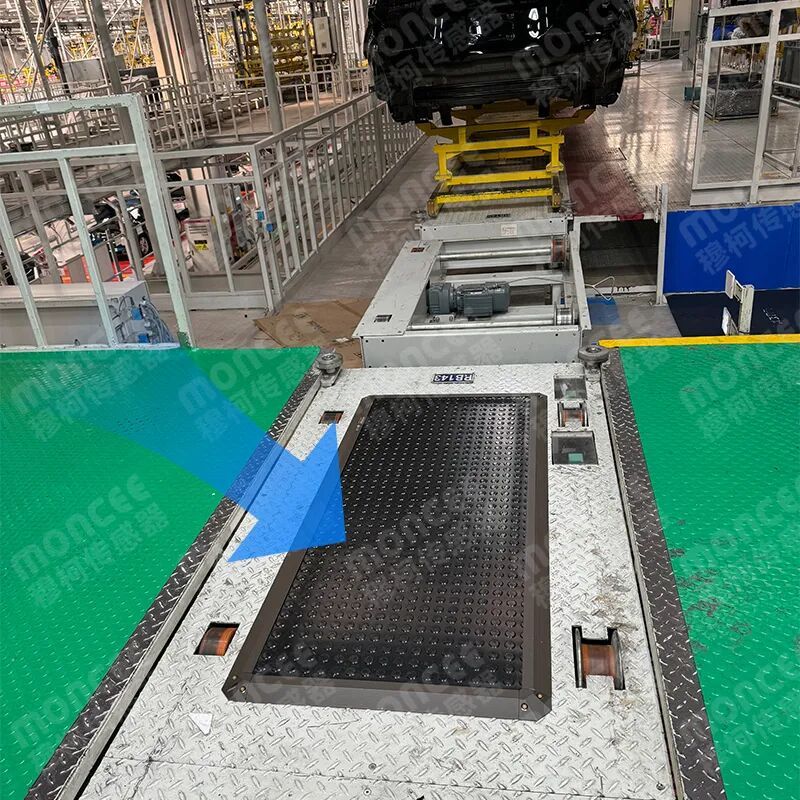
For track transport platforms with limited available space, safety mats can be integrated into unused space beneath the tracks. This approach does not occupy valuable working areas or interfere with the operation of transport vehicles running above the tracks, achieving a dual improvement in space utilization and safety protection performance.
For work areas beneath overhead conveyor systems, safety mats can be installed along the edges of operating zones. Their integrated pressure-sensing technology can detect when a person steps onto the mat in real time and immediately trigger an emergency stop of the conveyor system or associated robotic arm. This helps prevent collision and crushing hazards at the source and establishes a reliable safety protection system for human-machine collaborative operations around track-based conveying equipment.
In the metal processing stage of automotive manufacturing, die-casting machines and multi-station stamping presses are core production equipment but also present significant risks of mold-related crushing and shearing injuries.
The high-temperature mold-closing mechanisms of die-casting machines and continuously operating stamping dies can cause severe injuries if a person accidentally enters the hazardous operating area while the molds are closing.
Installing industrial safety mats around the equipment can create an “active sensing safety barrier.” When a person accidentally enters the hazardous area and steps onto the safety mat, the system immediately triggers an emergency stop, cutting off the power driving the mold mechanism.
This helps prevent shearing and crushing injuries, providing a higher level of safety for high-risk metal-forming operations in automotive manufacturing.
The following are specific product displays of our company's safety light curtains, safety carpets, and LiDAR
|
|
|



 English
 简体中文
简体中文 Indonesian


 Previous:
 Back to list


