
Workshop accidents happen year after year, and safety risks remain a serious concern. The quality and proper selection of Safety Edges are directly related to operational safety.
AGV collisions with workers, automatic doors trapping hands, robots causing injuries at their edges, machine tools causing serious crushing injuries... Behind many of these accidents lies the same problem: the “Safety Edge” purchased for a few dozen or a few hundred yuan may not actually provide reliable protection.
Although it looks like nothing more than an ordinary rubber strip, a Safety Edge serves as one of the final safety barriers of industrial equipment. A qualified product should trigger a stop when lightly pressed, while an inferior product may fail to respond after impact or lose its sensing function under pressure. The consequences can include serious injuries, legal liability, production shutdowns, and regulatory penalties.
Today, let’s break down the four major pitfalls in the Safety Edge industry, how to distinguish qualified products in seconds, and how to select the right Safety Edge for different workshop environments. Workshop owners, purchasing managers, and electrical technicians should all pay attention.
1. Industry Pitfalls: Four Major Safety Edge Traps You May Have Already Encountered
①Material Substitution: Recycled Rubber Sold as Oil-Resistant Rubber
The problem: Inferior products may use recycled tire rubber and recycled plastics, without proper oil resistance, chemical resistance, or anti-aging protection. They may look like Safety Edges but lack the performance required for industrial applications.
Potential hazards: When exposed to oil, metal chips, or coolant in the workshop, the rubber can quickly become hard, crack, or crumble. If the internal conductive layer becomes exposed, the Safety Edge may either fail to trigger when compressed or generate false signals that cause unnecessary machine shutdowns.
The reality: Some workshops choose extremely cheap rubber strips only to discover that even pressing them firmly does not trigger a safety signal, while heavy equipment can crush them apart. A safety device can effectively become another source of risk.
②Fake Sensing Technology: Reduced Conductive Layers and No Safety Circuit
The problem: Some manufacturers cut costs by using a single thin conductive foil or low-quality conductive rubber without redundant safety design. Some products may even be connected directly to ordinary electrical circuits without a proper safety controller.
Potential hazards: The sensing sensitivity may be inadequate, meaning that even substantial pressure fails to trigger the safety signal. Conversely, vibration, metal chips, or light contact may cause false triggering and unnecessary machine stoppages.
More seriously, products without appropriate safety certifications may fail regulatory inspections, potentially resulting in fines, production shutdowns, and liability issues.
③Inferior Products Sold as Safety Edges
The problem: Ordinary door bumpers or rubber strips may be relabeled as “Safety Edges” even though they contain no sensing components or safety signal mechanism.
The reality: Some manufacturers simply print safety markings on ordinary rubber strips and sell them as safety products. When installed around robots or machine tools, they provide no actual safety signal when a person is trapped, crushed, or struck.
In other words, they may look like safety devices but function as nothing more than decorative rubber strips.
④Reduced Installation Accessories: No Mounting Rail, Sealing, or Proper Wiring
The problem: Some suppliers sell only the rubber strip without essential accessories such as aluminum mounting rails, waterproof connectors, or safety controllers. They may also recommend ordinary wires or unsuitable connectors.
Potential hazards: In humid or dusty workshops, water ingress and short circuits can occur within a short period. Safety signals may fail to reach the PLC, completely disabling the protection system. If the Safety Edge becomes loose or shifts position, the equipment edge may once again become exposed.
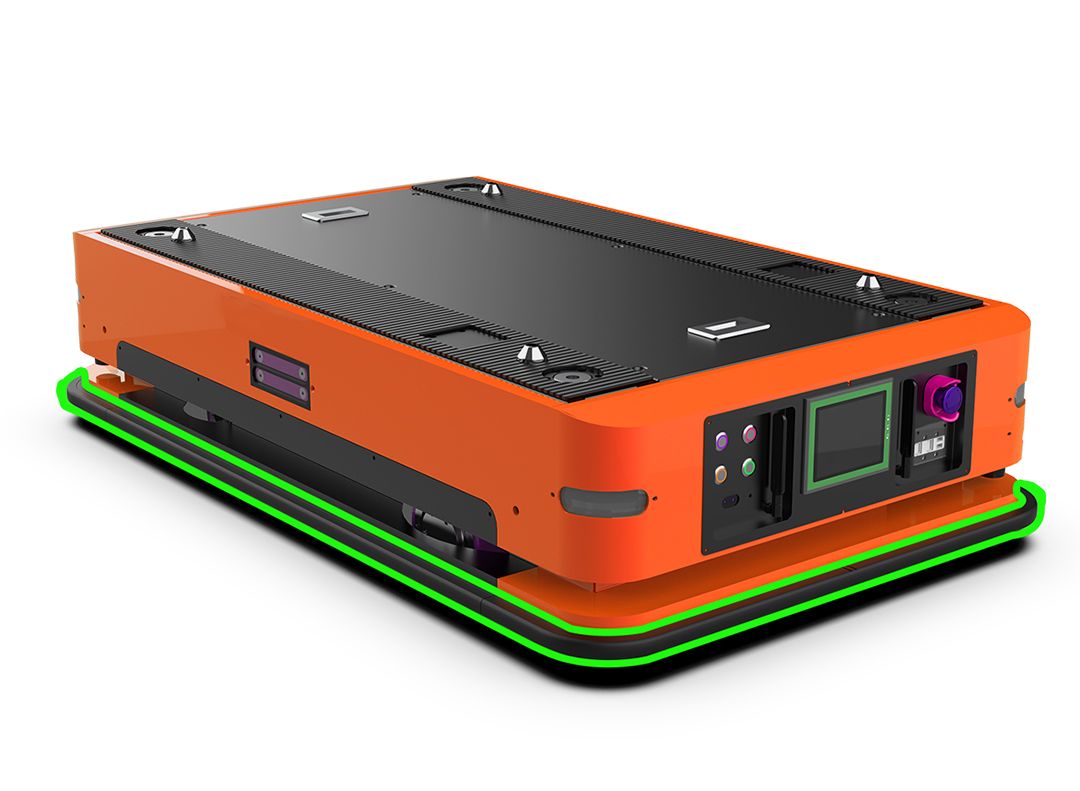
2. Quick Identification: What Does a Qualified Safety Edge Look Like?
①Check the Outer Material
A qualified Safety Edge should use durable rubber with good oil resistance and flexibility. It should feel soft and resilient when pressed and should not have a strong or irritating odor.
Inferior products may feel hard, brittle, or sticky, have a strong plastic smell, turn white when bent, crack easily, or shed material when pulled.
②Check the Internal Structure
A qualified Safety Edge should incorporate redundant conductive sensing layers and an appropriate safety structure.
Inferior products may contain only a thin single conductive foil or simply be filled with foam, waste paper, or other non-functional materials.
③Check Certifications
Look for appropriate certifications and traceable third-party test reports.
Products without proper identification, manufacturer information, or certificates of conformity should be treated with caution. Fake labels and fabricated reports are not substitutes for legitimate certification.
④Check the Accessories
A qualified Safety Edge system should have appropriate accessories, such as:
Aluminum mounting rails
Waterproof connectors
Safety controllers
Standardized wiring
Appropriate ingress protection, such as IP65 where required
Inferior products may consist of nothing more than a bare rubber strip and ordinary cable ties, with no proper sealing or mechanical fixation.
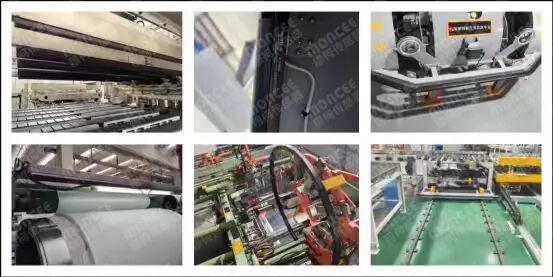
3. Three Common Application Mistakes
Mistake 1: Using the Same Safety Edge for Every Machine
Different machines have different safety requirements and operating conditions. Using one generic Safety Edge everywhere may result in frequent replacements or, worse, inadequate protection.
Mistake 2: Looking Only at Price Instead of Application Conditions
A standard Safety Edge may not be suitable for humid, oily, dusty, or high-temperature environments.
For example, using an unsuitable product in an oily or humid workshop can lead to premature aging, water ingress, or electrical failure. A low purchase price may ultimately result in much higher replacement and maintenance costs.
Mistake 3: Installing It and Never Checking It Again
After installation, some workshops never clean oil, metal chips, or other debris from the Safety Edge and never inspect the wiring or mounting condition.
Over time, the sensing system may become obstructed or the signal transmission may fail. By the time an accident occurs, the Safety Edge may already be ineffective.
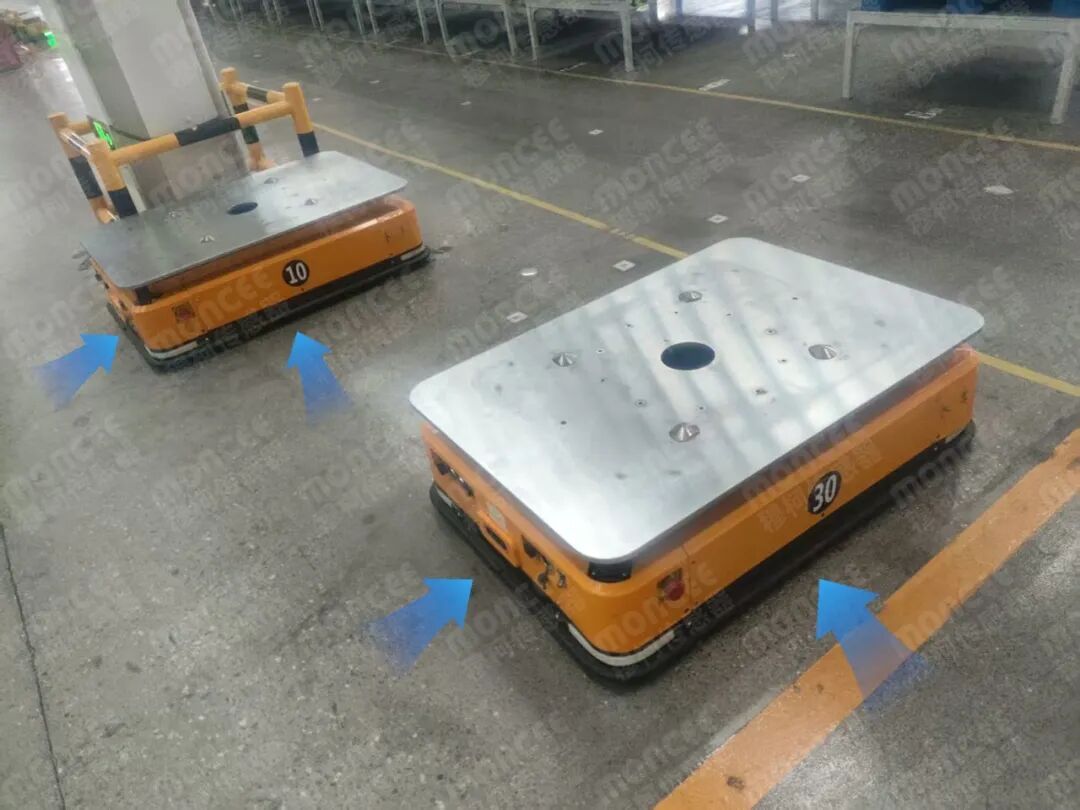
4. Practical Selection Tips: Choose the Right Safety Edge for Reliable Protection
You do not necessarily need the most expensive solution. These four principles can help you avoid most common purchasing mistakes.
Tip 1: Determine the Operating Conditions Before Selecting the Product
First determine whether the workshop is:
Humid
Oily
Dusty
High-temperature
Low-temperature
Subject to heavy mechanical impact
Then select a Safety Edge designed for those conditions.
Tip 2: Avoid Bare, Extremely Cheap Strips
Do not select products solely because they are significantly cheaper than market alternatives.
Prioritize products supplied with essential accessories such as aluminum mounting rails and waterproof connectors. Although the initial price may be higher, proper installation and better durability can reduce long-term costs.
Tip 3: Test a Small Quantity Before Bulk Purchasing
Before placing a large order, purchase one or two units for testing.
Evaluate:
Trigger sensitivity
Equipment compatibility
Durability
Installation method
Signal response
Once the product has been verified under actual workshop conditions, proceed with bulk purchasing.
Tip 4: Perform Basic Routine Maintenance
Clean oil and metal chips from the Safety Edge regularly. Inspect wiring, connectors, mounting, and the rubber profile for damage or detachment.
Timely maintenance and replacement can significantly extend service life and help maintain stable safety performance.
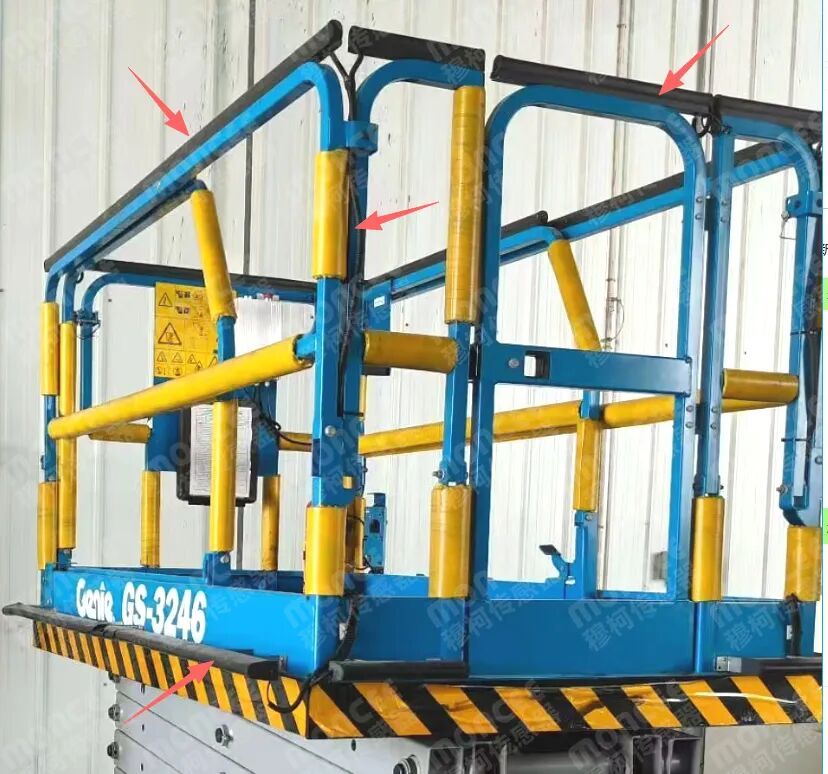
5. Application-Based Selection Guide
1. New Workshops / New Equipment
Recommended configuration:
Choose an appropriately rated Safety Edge with redundant sensing architecture and a safety controller that can interface with the machine's safety control system.
Key considerations:
Prioritize customizable lengths and models supplied with aluminum mounting rails for different equipment such as robots, machine tools, and AGVs.
Tip:
Coordinate with the equipment manufacturer whenever possible and confirm compatibility before installation. Keep certification and test documentation for future reference.
2. Existing Workshops / Older Equipment
Recommended configuration:
First inspect the existing control circuit and select a compliant Safety Edge compatible with the existing PLC or safety control architecture.
Key considerations:
For demanding workshops, prioritize oil-resistant, dust-resistant products with an appropriate IP rating.
Tip:Do not choose low-quality Safety Edges simply to reduce initial costs. A cheaper product can result in higher long-term maintenance costs and increased safety risks.
3. Special Operating Environments
High- or Low-Temperature Workshops
Choose Safety Edges designed for the required operating temperature range to reduce rubber aging, hardening, and cracking.
Humid or Oily Workshops
Choose sealed designs with appropriate water and oil resistance, together with waterproof connectors at wiring points.
Heavy-Duty Equipment Workshops
Choose Safety Edges with strong resistance to crushing and impact to improve durability and service life.
Safety Reminder: Three Key Safety Edge Selection Recommendations
1. Don't Choose Based Solely on Low Price
Extremely low-cost products can indicate compromised materials, sensing structures, accessories, or manufacturing quality. For safety-critical equipment, price should never be the only selection criterion.
2. Match the Safety Edge to the Actual Application
Consider the machine type, hazard location, required trigger force, environmental conditions, installation method, and control-system compatibility before purchasing.
3. Verify the Product and Its Safety Documentation
Choose products with appropriate certifications, technical documentation, traceability, and reliable manufacturer support.
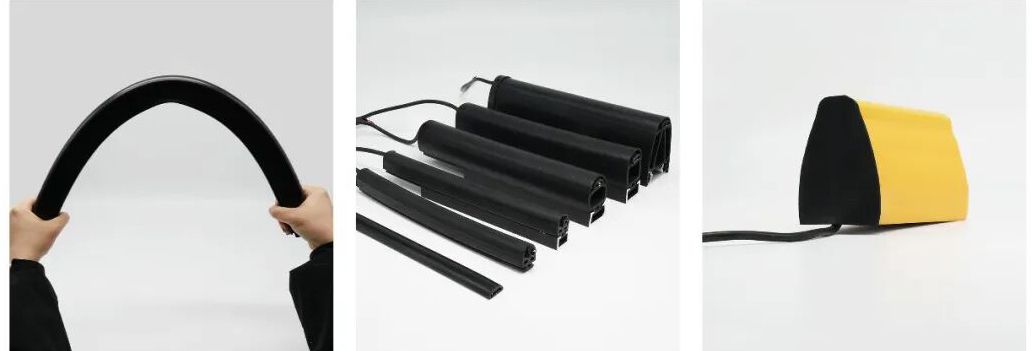
Safety Is Never a Small Matter—One Safety Edge Can Protect a Life
Don't wait until an accident occurs, regulatory authorities issue penalties, or compensation claims arise.
Choosing the right Safety Edge and maintaining the final safety barrier around your equipment means protecting your workshop, your employees, and the continuity of your production.



 English
 简体中文
简体中文 Indonesian
 Previous:
 Back to list


