
As robot workstations, stamping equipment, and new energy production lines become increasingly widespread, industrial safety mats have become standard safety equipment for high-risk workstations and factory safety inspections. Based on the most frequently searched and commonly asked questions from customers, this article provides a concise guide covering five key areas: basic knowledge, product selection, operating-condition compatibility, on-site installation, and purchasing pitfalls. It is designed to help procurement, equipment, and EHS personnel quickly select the right product and prepare for safety inspections.
1. Basic Knowledge: Common Questions from First-Time Buyers
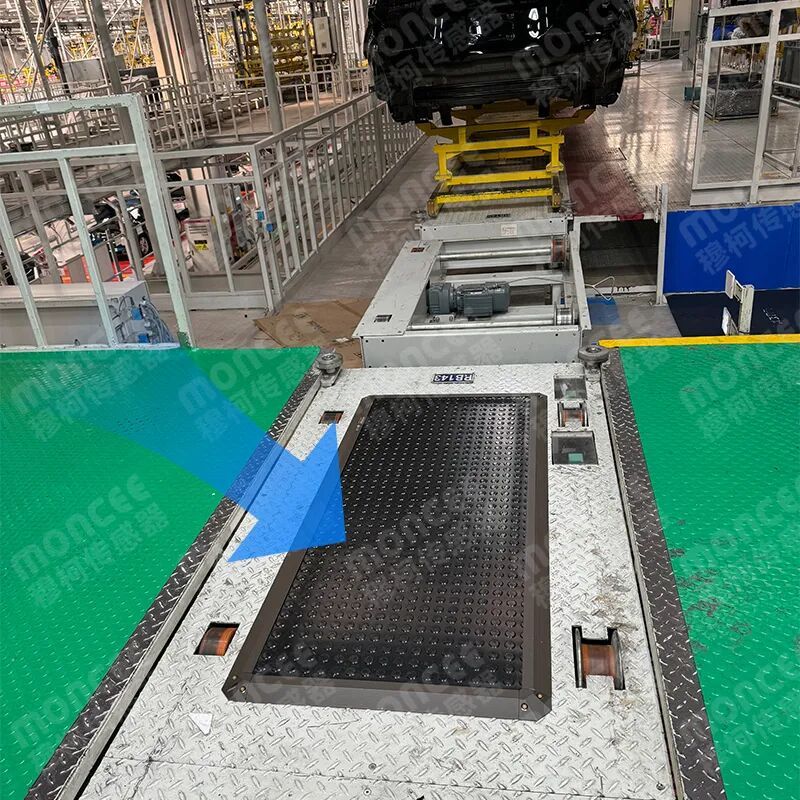
Many first-time buyers confuse safety mats with ordinary anti-slip floor mats. An industrial safety mat is a pressure-sensitive safety sensor featuring a dual-layer conductive sensing structure. When a person steps on the mat with sufficient pressure, it immediately outputs a stop signal and triggers the connected equipment to shut down in an emergency, helping prevent mechanical crushing, collision, and other workplace injuries.
2. Selecting the Right Mat: Key Parameters Buyers Care About
Most purchasing decisions come down to the operating environment and core product specifications.
①Will it trigger accidentally or respond too slowly?
The standard industrial trigger weight is 30 kg. Normal personnel stepping on the mat will trigger it, while small tools and unloaded carts will not normally cause false triggering. Qualified products can achieve a response time of ≤30 ms, which is fast enough for the emergency-stop requirements of stamping equipment and industrial robots, avoiding delays in safety protection.
②Can multiple mats be connected for large-area protection? Can they be cut on site?
Multiple safety mats can be connected together to protect large hazardous areas. However, on-site cutting is strictly prohibited. Cutting the mat may damage the internal sensing circuits, rendering the product unusable and potentially invalidating its safety certification. All dimensions should therefore be customized and manufactured at the factory.
3. Application Comparison: Safety Mat vs. Safety Light Curtain
This is one of the most frequently asked questions by customers. Neither product is universally better than the other—the right choice depends on the specific operating conditions.
Choose a Safety Mat when:
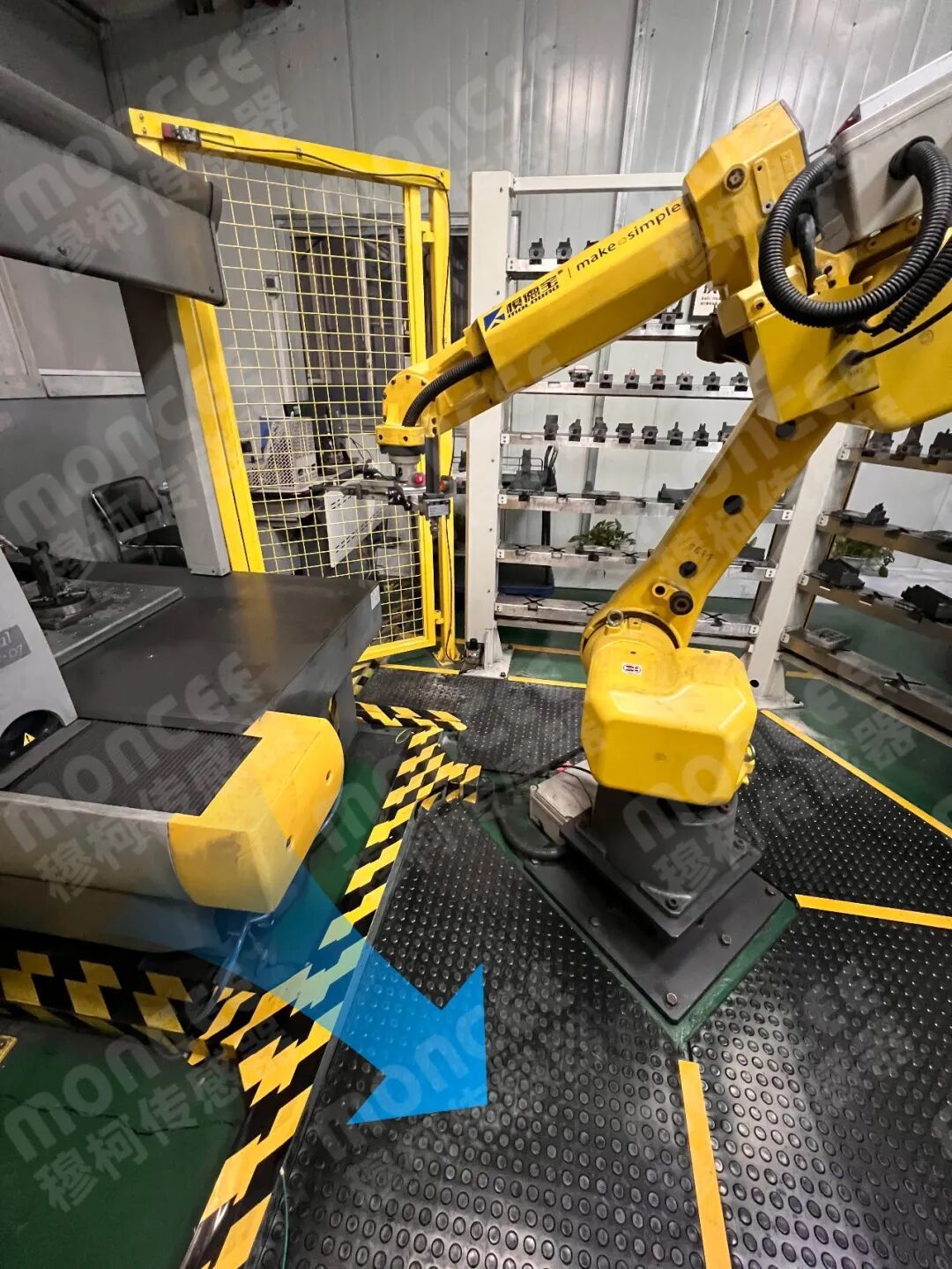
Protecting robot workstations
Protecting welding stations
Operating in environments with heavy dust or oil contamination
Protecting hazardous floor areas around machinery
Protecting areas where personnel need to enter for maintenance or inspection
Large-area protection is required with strong resistance to environmental interference
Choose a Safety Light Curtain when:
Protecting entrances and exits of production lines
Protecting areas where personnel frequently enter and exit
Intercepting personnel before they enter a hazardous area
4. Installation & Maintenance: Solutions to Common On-Site Problems
Around 80% of equipment failures encountered during daily operation are not caused by the product itself, but by improper installation.
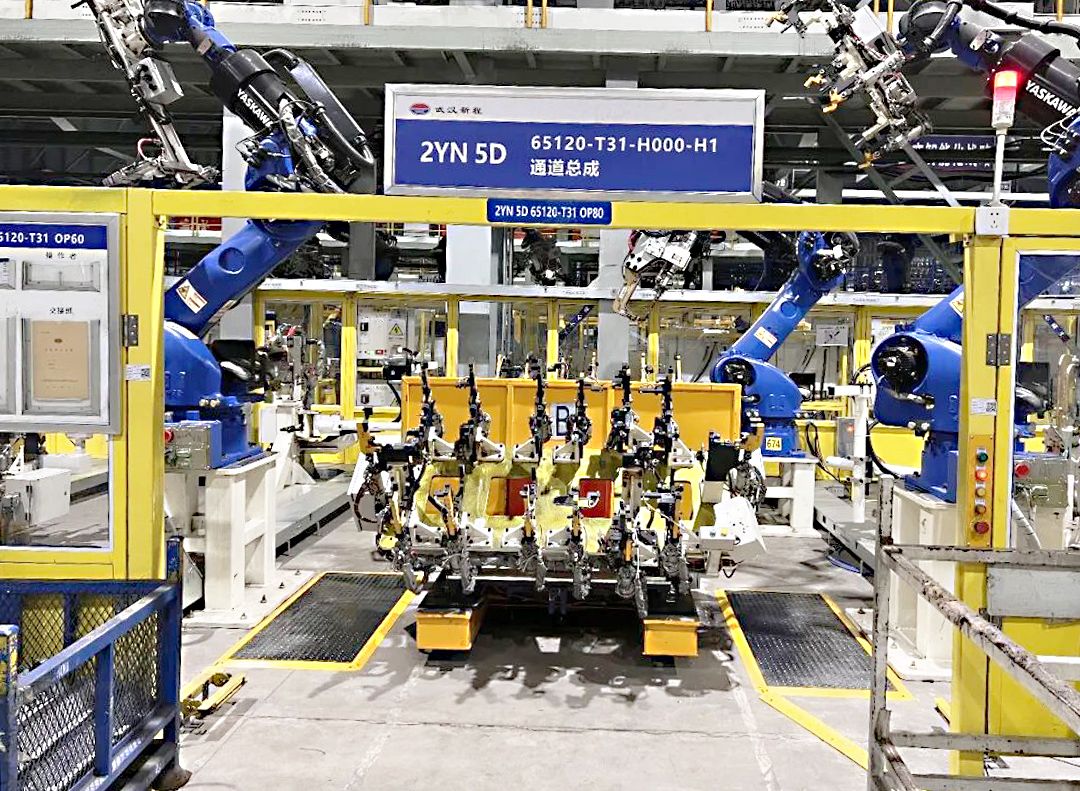
①Level the floor before installation
The installation surface should be properly leveled. Protruding hard objects or uneven floors can exert excessive pressure on the sensing layer, resulting in malfunction or false alarms.
②Always install aluminum alloy edge strips
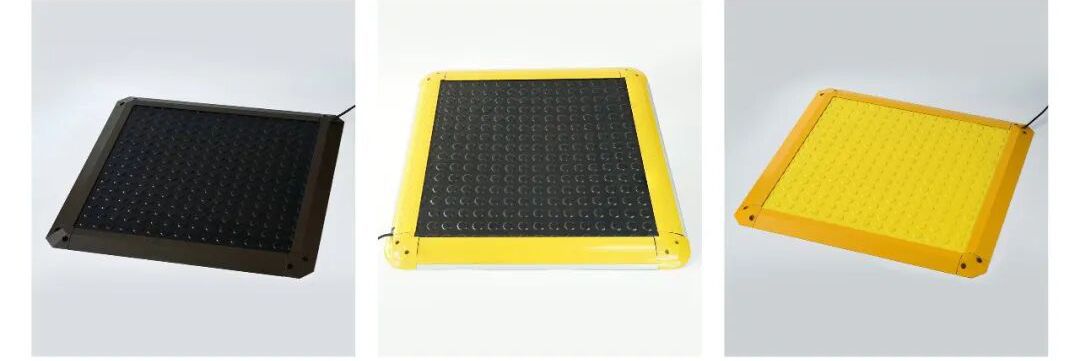
Professional aluminum alloy edge strips should be used to prevent the mat from curling, shifting, or becoming ineffective during operation. They also help prevent personnel from tripping over raised edges.
③Use a dedicated safety relay in harsh environments
For demanding industrial environments, it is recommended to use a dedicated safety relay to provide wire-break detection, fault monitoring, and alarm functions, making troubleshooting faster and easier.
A properly manufactured industrial-grade safety mat can normally withstand approximately 1 million stepping cycles. Damaged wiring, water ingress, and corrosion are among the most common causes of failure. Regularly cleaning the surface and checking the wiring connections can significantly reduce the likelihood of faults.
5. Purchasing Pitfalls: Common Problems with Low-Cost Products
Based on customer feedback, low-priced and low-quality safety mats on the market commonly suffer from three major problems:
①Poor after-sales service
When equipment fails, slow response and delayed repairs can directly disrupt factory production.
②Low-quality recycled rubber surfaces
Some products use recycled rubber for the outer layer, resulting in poor resistance to oil, water, and aging. Cracking and delamination may occur after relatively short-term use.
③Inferior sensing wires and sealing structures
Cost-cutting in internal sensing wiring and sealing can compromise the safety circuit design and lead to unstable triggering performance, creating potential safety risks.
Although these products may appear cheaper initially, protection failures, failed safety inspections, repeated replacement, production downtime, corrective actions, and workplace injury compensation can make their total lifecycle cost significantly higher than that of a properly manufactured industrial-grade safety mat.
Conclusion
When selecting an industrial safety mat, the key considerations can ultimately be summarized in three points:
Safety compliance → Operating-condition compatibility → Stable operation with minimal maintenance
There is no need to blindly pursue the highest specifications. Instead, select the appropriate material, safety level, and complete compliant system according to your factory's actual environment.
Choosing a compliant, properly matched industrial safety mat is ultimately the more cost-effective solution for long-term factory safety.



 English
 简体中文
简体中文 Indonesian
 Previous:
 Back to list


