
A must-read for the injection molding industry in 2026! As automation continues to accelerate across the injection molding industry, human-machine collaboration is becoming increasingly common. At the same time, safety compliance requirements are becoming more stringent, exposing the long-standing limitations of traditional 2D safety light curtains.
With the ability to freely define 3D protective zones, 3D photoelectric sensors are designed to match the actual operating logic of injection molding machines. They upgrade injection molding safety from “planar passive interception” to “full-area 3D spatial monitoring”, making them an increasingly preferred solution for injection molding machine safety upgrades and retrofits.
▶ Traditional 2D Safety Light Curtains: Too Many Pain Points for Injection Molding Plants
● Extensive blind spots make comprehensive protection difficult
Traditional systems rely on a single plane of infrared beams for detection, leaving significant blind spots on the sides, at angles, and above the protected area.
Operators may reach toward the mold opening from a blind spot or enter high-risk areas within the robot's operating zone, potentially resulting in hand injuries, crushing, or pinching accidents. This creates obvious gaps in the safety protection system.
● Poor adaptability to actual operating conditions and unreasonable stop logic
Traditional light curtains generally trigger a forced machine stop whenever the light beam is interrupted.
For example, when a robot removes parts from inside the mold, the light curtain may trigger protection and interrupt production. However, once the robot retracts outside the mold, the system may still be unable to provide comprehensive monitoring when a person enters the hazardous area.
The result is a difficult choice: unnecessary machine stops that reduce productivity, or inadequate protection that leaves safety risks unresolved.
● Complicated commissioning and poor flexibility for flexible production
Multiple sets of light curtains are often required to barely cover the entire working area, resulting in numerous brackets and complicated wiring.
Whenever the mold is changed or the robot's operating stroke is adjusted, the light curtains may need to be physically repositioned and recalibrated. This makes them poorly suited to modern production models involving multiple product types, small-batch production, and frequent mold changes.
● Insufficient resistance to harsh workshop environments
Oil mist, dust, high temperatures, and strong light in injection molding workshops can cause infrared beams to attenuate or refract, potentially resulting in false triggering or missed detection.
Conventional IP65 protection also has limitations when exposed to oil contamination and moisture. Frequent faults can therefore increase maintenance requirements and operating costs.
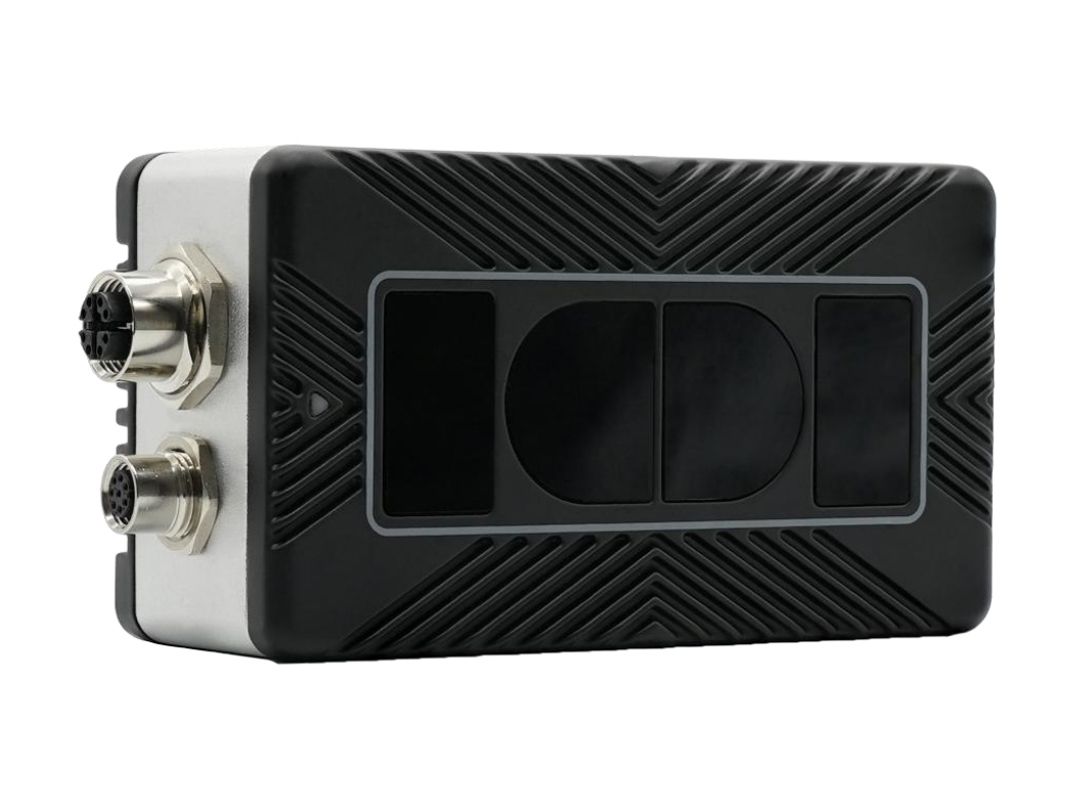
▶ 3D Photoelectric Sensors: A Powerful Solution for Both Safety and Efficiency
● Freely configurable 3D protection zones
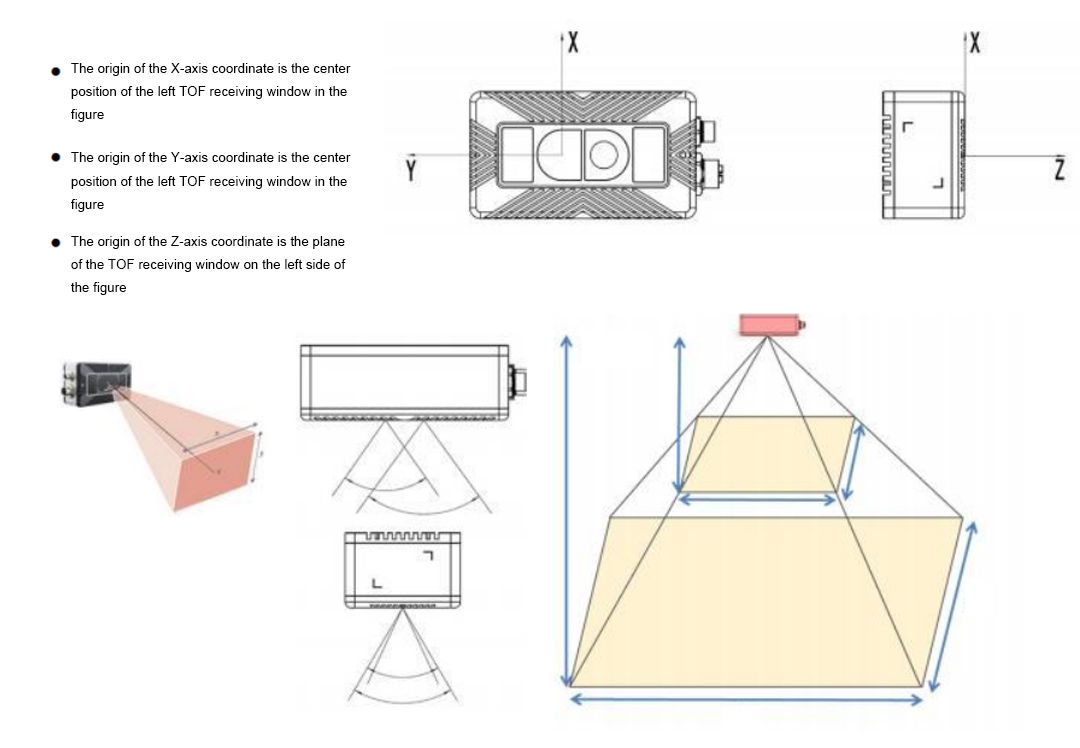
Detection distance and protection height can be configured according to the actual operating conditions of the equipment, without being restricted by fixed light curtain specifications.
Whether it is a large horizontal injection molding machine or a small vertical injection molding machine, the sensor can be configured to match the required 3D monitoring area.
● Support for virtually any shape of protection zone
Unlike traditional light curtains, which are generally limited to regular rectangular planar protection, the software allows users to define irregular and non-standard 3D virtual protection zones.
Protection boundaries can be configured according to:
Mold opening contours
Robot movement paths
Hazardous areas alongside the equipment
This allows the protection zone to closely follow the actual machine layout while avoiding unnecessary monitoring of irrelevant areas.
● Multiple independently configurable protection zones
Multiple independent protection zones can be configured simultaneously.
Each zone can have its own independently defined protection height, allowing the sensor to match different stages of the injection molding process.
● One sensor can monitor multiple hazardous areas
A single photoelectric sensor can simultaneously monitor multiple hazardous points.
When a person or object enters a protected area, the system can actively trigger audible and visual alarms, providing an immediate warning.
The sensor is also designed for stable long-term operation in demanding workshop environments, helping extend service life and reduce maintenance requirements.
● Simple installation and faster changeover
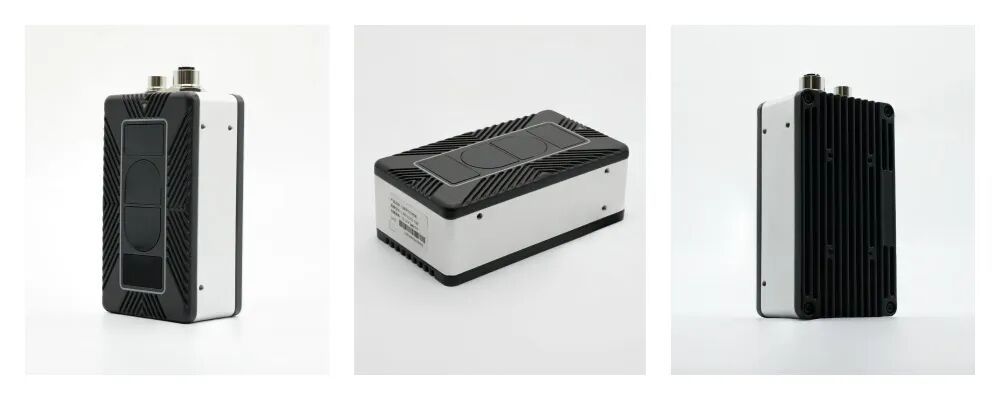
Only a single sensor needs to be mounted overhead, eliminating the need for numerous brackets and complicated wiring.
Protection boundaries can be modified directly through software by dragging and adjusting the virtual zones.
When molds are upgraded or robot travel paths are changed, there is no need to modify the hardware. This can significantly reduce machine downtime for commissioning and improve overall equipment utilization.
▶ The Shift Toward 3D Protection Is Underway: A Key Upgrade for Injection Molding Plants
With increasingly routine safety inspections and mandatory safety protection requirements for automated robot-assisted production lines, combined with the favorable return on investment offered by 3D protection solutions, equipment upgrade and retrofit subsidies in some regions can further reduce the cost of modernization for manufacturers.
In 2026, injection molding equipment safety protection is moving toward the era of programmable 3D spatial protection.
3D photoelectric sensors with freely configurable protection zones and independently controlled areas can address many long-standing problems associated with traditional light curtains, including:
Large detection blind spots
Complicated commissioning
Limited environmental adaptability
They provide a more effective balance between production safety and continuous manufacturing efficiency.
Wide application coverage
Suitable for:
Horizontal injection molding machines
Vertical injection molding machines
3-axis and 5-axis robot-assisted workstations
Multi-machine injection molding cells
Existing traditional safety light curtains can also be integrated with the machine's safety circuit for retrofit and upgrade projects.
Interactive Topic
Is your injection molding workshop still using traditional 2D safety light curtains?
If you are experiencing problems such as protection blind spots, frequent commissioning, or unnecessary machine stops, feel free to contact us to discuss your current application and explore a suitable equipment upgrade solution.



 English
 简体中文
简体中文 Indonesian
 Previous:
 Back to list


