
Industrial safety is no longer limited to the use of safety guards or emergency stop buttons. In applications where operators need to work near moving machinery, a Safety Mat can provide an additional layer of machine protection by detecting when personnel enter a designated hazardous area.
A Safety Mat is a pressure-sensitive safety device installed around machinery or other hazardous equipment. When sufficient pressure is applied to its surface, the Safety Mat generates a switching signal and can be connected to a safety controller to stop or prevent the hazardous equipment from continuing to operate.
For machine manufacturers, system integrators, and industrial safety engineers, selecting the right Safety Mat involves much more than simply choosing the appropriate dimensions. Factors such as material, load capacity, operating environment, protection rating, response time, wiring configuration, and compatibility with safety controllers all need to be considered together.
This guide takes a practical procurement perspective and explains the key factors to consider when selecting an industrial Safety Mat.
An industrial Safety Mat is a pressure-sensitive presence-detection device primarily used to determine whether a person has entered a designated hazardous area.
Unlike ordinary anti-fatigue mats or rubber floor mats, a Safety Mat is part of a machine safety system. Its sensing surface detects pressure applied to the mat and generates a corresponding switching signal. When connected to a dedicated safety controller, the system can monitor the operating status of the Safety Mat and provide a safety-related output signal to the protected machinery.
Therefore, when operators frequently need to enter areas around machinery, a Safety Mat provides a flexible method of safeguarding. Rather than physically preventing personnel from entering an area, it detects whether personnel have entered the protected zone.
Moncee Safety Mats are primarily designed for applications involving automated industrial equipment, robot work cells, printing equipment, material-handling systems, and other machinery where personnel may enter hazardous areas.
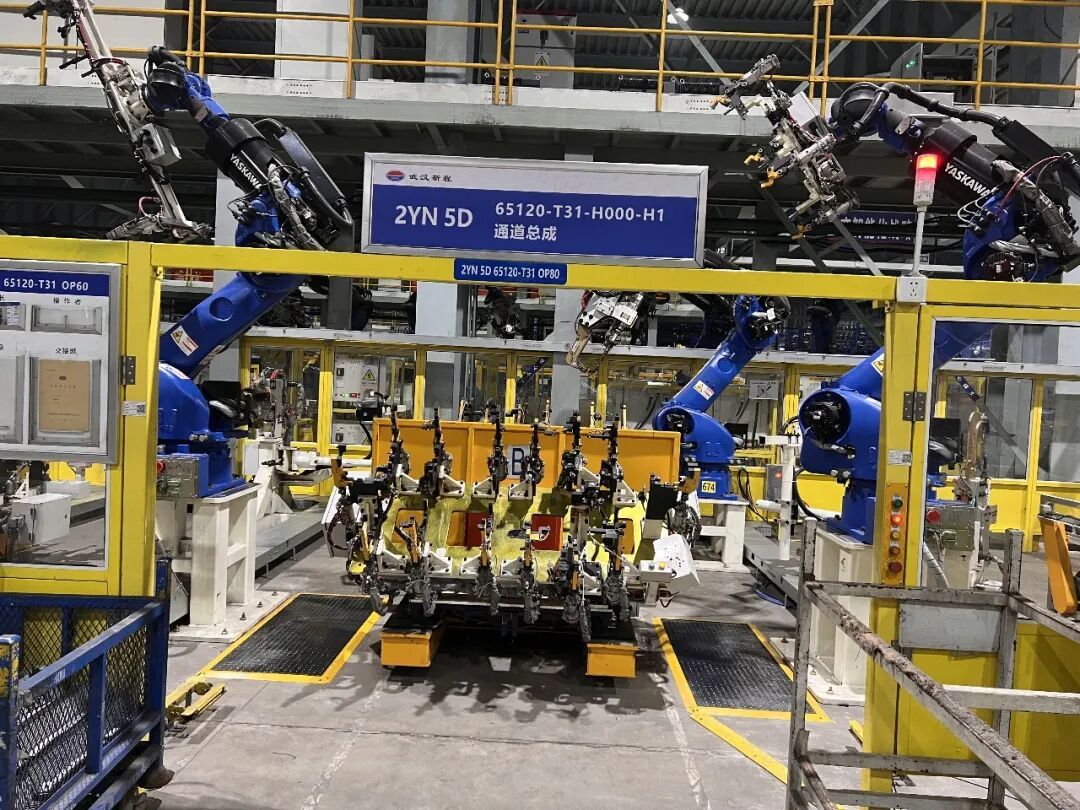
The basic operating principle of a Safety Mat is relatively straightforward.
A pressure-sensitive structure is integrated inside the Safety Mat. When a person steps onto the mat and applies pressure that meets the specified activation requirement, the internal sensing circuit changes state. This generates a switching signal, which is then processed by the safety controller.
For applications requiring coverage of a larger protection area, multiple Safety Mats can be interconnected to create a continuous personnel-detection zone. Moncee product documentation provides wiring configurations for both two-core and four-core Safety Mats, as well as connection diagrams showing multiple Safety Mats used together with a safety controller.
The associated Safety Mat controller can monitor the status of connected Safety Mats and integrate their safety signals into the machine's safety control circuit. The relevant controllers use a 24 VDC power supply and are equipped with dedicated Safety Mat input and output circuits.
When selecting a Safety Mat, the first step is to clearly define the intended application.
Safety Mats can be installed around automated industrial equipment to detect whether an operator has entered a hazardous area surrounding the machinery.
Industrial robots typically require designated safety zones. A Safety Mat can be installed around a robot work cell or along an accessible side of the work area to detect personnel entering the designated zone.
Moncee product documentation demonstrates Safety Mat applications involving robots, assembly equipment, welding equipment, and other industrial machinery.
For applications involving forklifts and material-handling equipment, the Safety Mat must provide sufficient mechanical load capacity and an appropriate structural design.
The SC4 product series includes configurations such as forklift control Safety Mats, demonstrating that different Safety Mat structures and product solutions can be selected according to the specific machinery and operating environment.
Wet environments place higher demands on industrial safety sensing equipment. The product range therefore also includes dedicated Safety Mats for car-wash applications. The product documentation lists a standard 800 × 200 mm size along with configurations designed for water-resistant applications.
The product documentation also includes products such as seat Safety Mats, armored Safety Mats, waterproof foot switches, and waterproof two-foot control Safety Mats.
These products demonstrate that different operating environments may require application-specific structural designs rather than simply using one general-purpose Safety Mat.
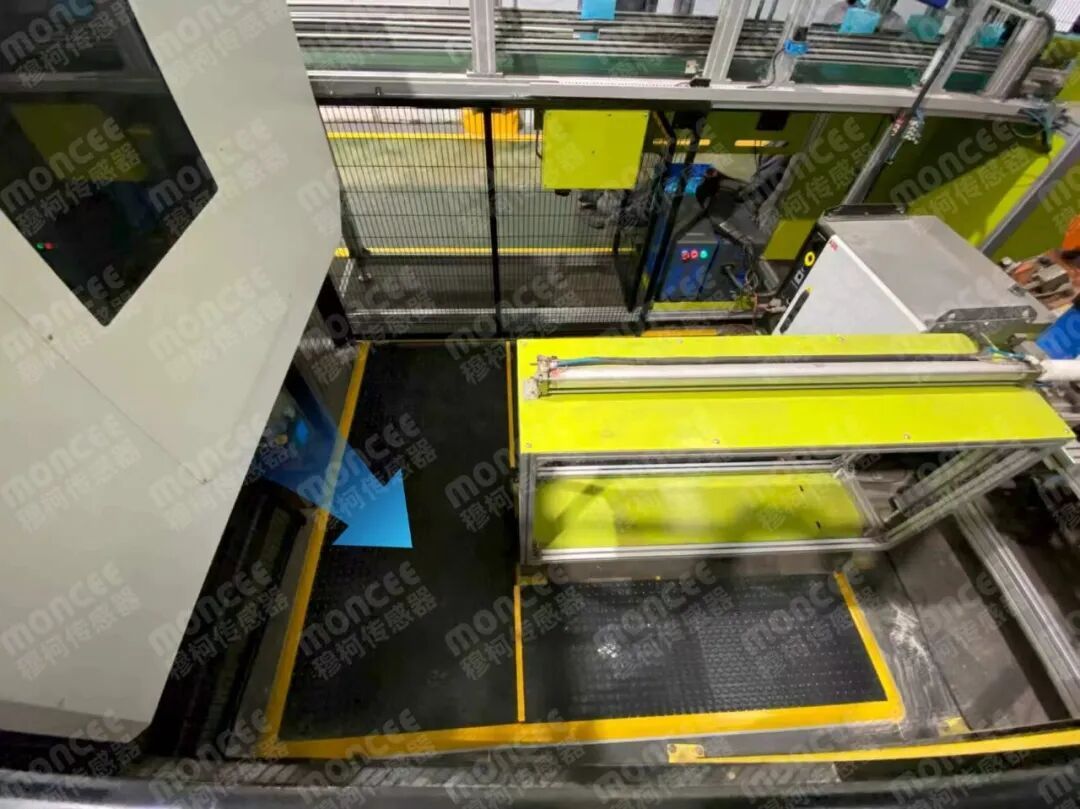
When comparing different Safety Mat suppliers, the following technical parameters should receive particular attention.
The first step is to determine the Safety Mat dimensions based on the actual area that needs to be protected.
For example, standard Safety Mat documentation lists various sizes, including:
500 × 500 mm
1000 × 500 mm
1000 × 750 mm
1000 × 1000 mm
1500 × 1000 mm
2000 × 1000 mm
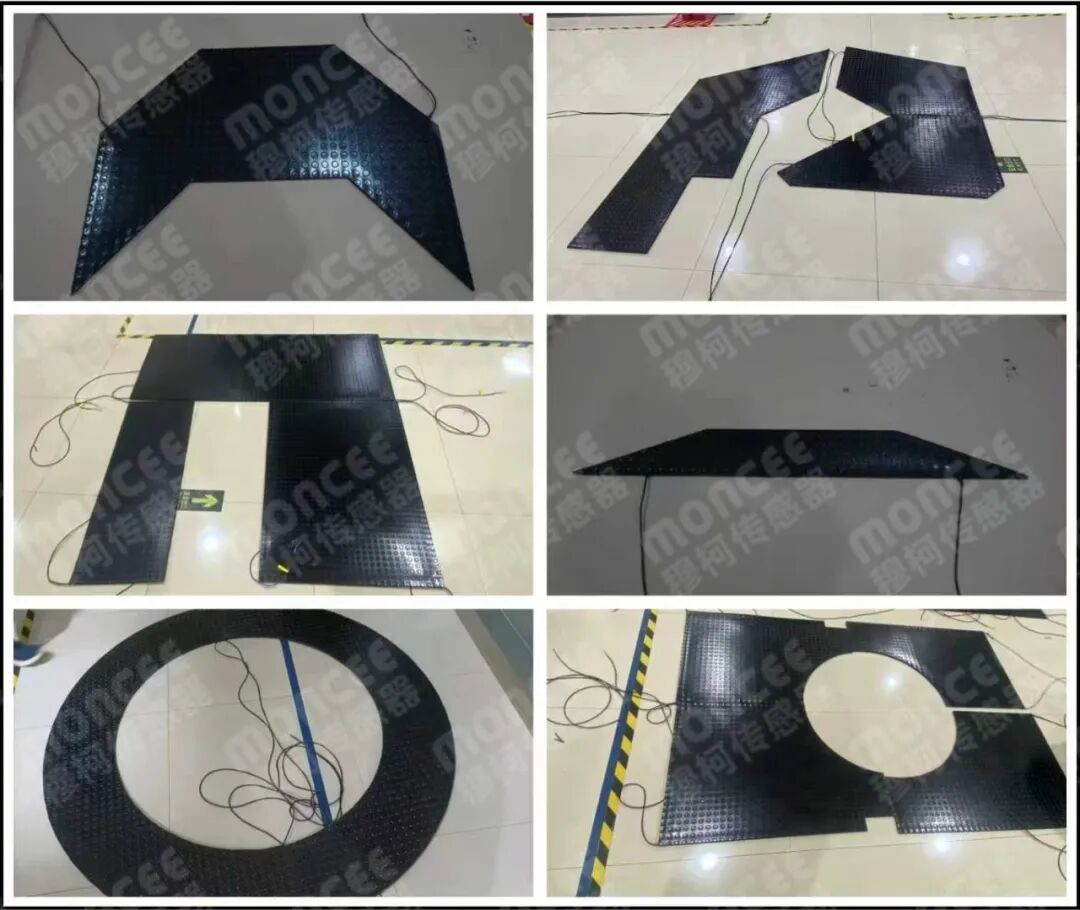
Non-standard dimensions can also be customized within the specified range.
For applications requiring coverage of a larger hazardous area, the protected area can be expanded by combining multiple Safety Mats.
The load capacity of a Safety Mat is closely related to its intended operating environment.
According to the SC4 standard Safety Mat documentation, its dynamic load capacity is 500 kg, while its static load capacity is 800 kg. The specified activation pressure for an adult is approximately 30 kg.
Load capacity varies between models. For example, the documentation for a high-performance Safety Mat specifies a wheel-load parameter of 2000 N / 1862 kPa.
Therefore, product selection should not be based solely on Safety Mat dimensions. The potential loads generated by personnel, vehicles, and equipment must also be taken into account.
Material selection should be matched to the actual operating environment.
Standard Safety Mats use rubber-based construction, while the product documentation also presents configurations using materials such as EPM/EPDM and PUR. Depending on the product design and application, these materials can provide different levels of flexibility, wear resistance, chemical resistance, and mechanical durability.
For example, high-performance Safety Mats use PUR material and are intended for operating environments with higher mechanical performance requirements. Wad periods, its protection rating becomes particularly important.
The standard SC4 Safety Mat is specified with an IP65 protection rating. The product range also includes waterproof Safety Mats designed for demanding wet environments, with some models providing protection up to IP67.
Response time is another important parameter in a machine safety system.
Documentation for standard and certain specialized Safety Mats specifies a response time of ≤30 ms.
However, when designing a complete safety system, the Safety Mat's response time should not be considered in isolation. The overall assessment should also include the safety controller response time, machine stopping time, and required safety distance.
Purchasing a Safety Mat does not necessarily mean purchasing only the mat itself.
A Safety Mat controller monitors the operating status of the Safety Mat and connects its signals to the machine's safety control circuit.
Moncee's relevant Safety Mat controllers use a 24 VDC power supply and are equipped with dedicated Safety Mat input circuits and relay output circuits. The product documentation specifies a response time of ≤20 ms and supports an automatic reset function.
If multiple Safety Mats are to be installed in a project, the following factors should also be considered:
Number of Safety Mat
Number of sensing zones
Wiring configuration
Reset method
Controller input/output requirements
Interface with the machine's safety circui
The product documentation also provides connection configurations for multiple Safety Mats, allowing larger personnel-detection areas to be constructed.
There is no single standard price for Safety Mats.
The actual purchase price is typically influenced by factors such as:
Safety Mat dimensions
Material
Load capacity
Protection rating
Product construction
Edge-frame configuration
Cable length
Whether a safety controller is required
Order quantity
Non-standard customization requirements
Moncee product documentation primarily provides product specifications and customization information rather than a standardized public price list.
Therefore, for B2B buyers, instead of simply comparing the unit price of Safety Mats, it is more practical to provide the supplier with the actual equipment and hazardous-area requirements and request a project-specific quotation.
This is particularly important for custom dimensions, specialized materials, special protection ratings, and application-specific Safety Mats, for which suppliers generally need to select and quote products based on the actual operating conditions.
A professional Safety Mat supplier should provide more than just a pressure-sensitive mat. The supplier should ideally have comprehensive product capabilities and technical support.
The following areas should be evaluated carefully.
Can the supplier provide Safety Mats with different dimensions, materials, load capacities, and application-specific configurations?
Does the supplier support non-standard dimensions, cable configurations, edge structures, and product customization for specific applications?
Can the supplier provide a complete solution involving the Safety Mat, safety controller, and machine safety circuit?
Can the supplier provide complete product specifications, dimensional drawings, wiring diagrams, installation instructions, and maintenance documentation?
Applicable standards and certifications are also important for industrial safety products. Moncee product documentation references certifications/standards including CE, EN ISO 13856, and EN ISO 13849.
For industrial safety products, technical support for installation, functional testing, maintenance, replacement, and troubleshooting is equally important.
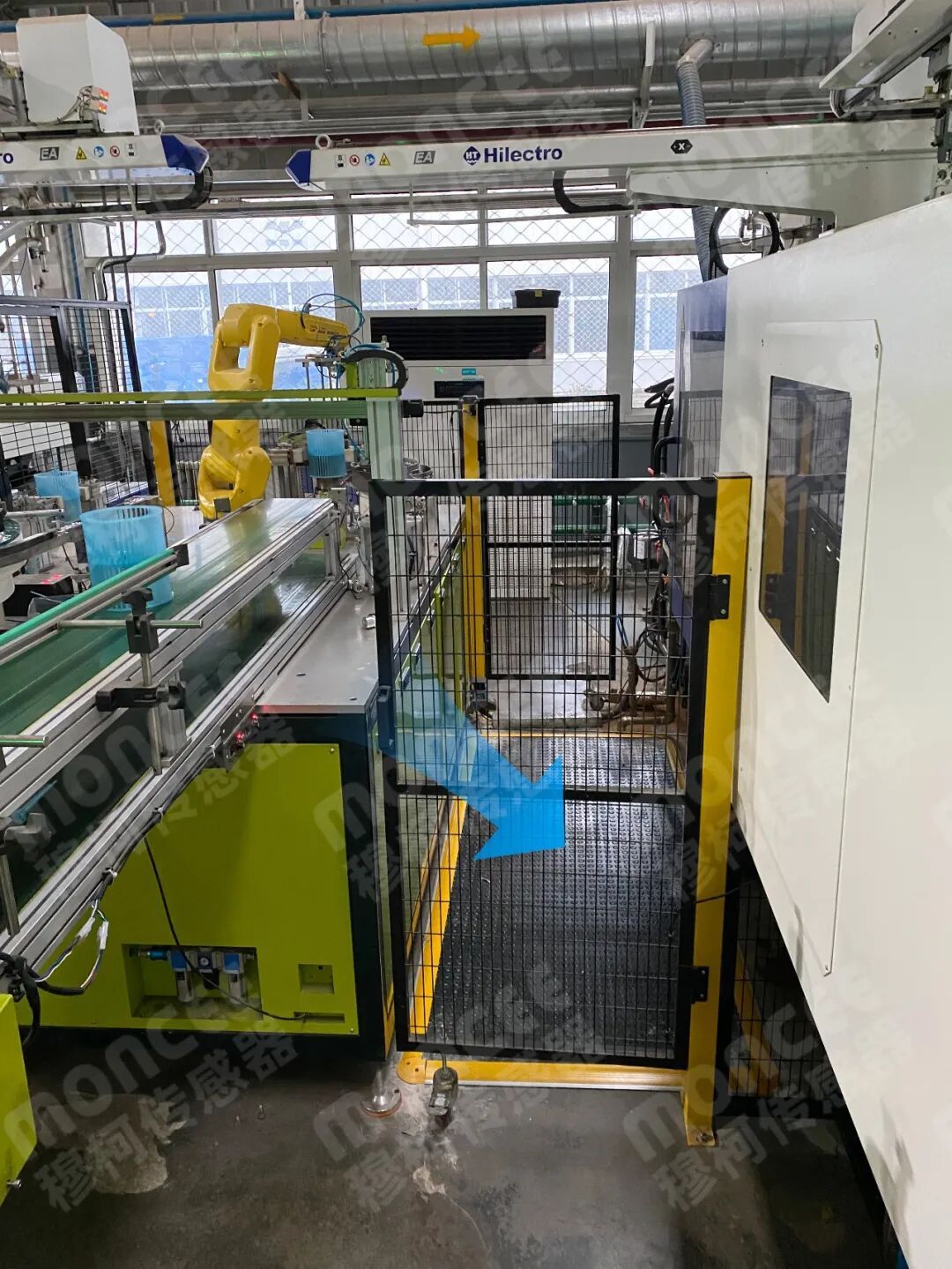
Before placing an order, consider confirming the following:
What specific hazard needs to be safeguarded?
How large is the hazardous area that needs to be monitored?
What Safety Mat dimensions are required?
What static and dynamic loads must the Safety Mat withstand?
What activation pressure is required?
Will the Safety Mat be exposed to water, oil, dust, or other contaminants?
Is IP65, IP67, or another protection rating required?
Should a standard or high-performance Safety Mat be selected?
How many Safety Mats need to be connected?
Is a dedicated Safety Mat controller required?
What wiring configuration and cable length are required?
Are custom dimensions or a specialized edge frame required?
What certifications and technical documentation are required for the project?
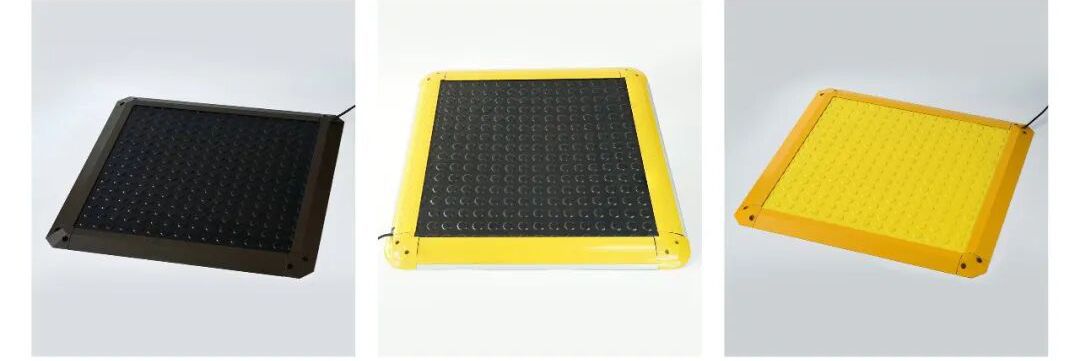
A Safety Mat should not simply be viewed as a pressure-sensitive floor mat. It should be selected as an important safety component within a complete machine safeguarding system.
An effective Safety Mat solution requires comprehensive consideration of the machine's hazards, protected area, mechanical loads, operating environment, response time, and connection to the machine's safety circuit.
The product range demonstrates how Safety Mats can be differentiated for different industrial environments and applications. From standard Safety Mats, high-performance Safety Mats, and waterproof Safety Mats to forklift Safety Mats, car-wash Safety Mats, seat Safety Mats, and armored Safety Mats, different configurations can be selected according to specific application requirements.
For OEMs, machine manufacturers, distributors, and system integrators, selecting the lowest-priced Safety Mat is not necessarily the best approach. A more valuable choice is a professional supplier capable of providing custom dimensions, material options, dedicated controllers, and technical support.
If your project requires a customized Safety Mat, it is recommended to provide the supplier with the following information when requesting a quotation:
Machine type, hazardous-area dimensions, expected load, operating environment, installation method, and required control interface.
Providing these details allows the supplier to select a product based on the actual machine safety requirements rather than simply forcing the application to fit a standard product.



 English
 简体中文
简体中文 Indonesian
 Previous:
 Back to list


