
For industrial plants, investing in an Industrial Safety Light Curtain is not simply a matter of adding another safety component to a machine. The real business question is whether the selected safety system can protect personnel without creating unnecessary production interruptions, engineering complexity, or long-term maintenance costs.
A poorly selected light curtain may contribute to frequent machine stoppages, difficult commissioning, complicated wiring, or costly replacement. By contrast, a properly matched system can support both machine safety and operational efficiency.
This article examines how manufacturers can evaluate Industrial Safety Light Curtain solutions from an ROI perspective, with particular attention to downtime reduction, engineering efficiency, system integration, and total procurement cost.
Important note: The “40% downtime reduction” in this article is an ROI target/framework rather than a performance claim from the GT Series brochure. The provided brochure does not document a specific 40% downtime reduction figure. Product specifications below are based on the supplied GT Series documentation, while the ROI analysis is a practical purchasing framework.
1. Why Safety Light Curtain Selection Affects ROI
When a safety light curtain interrupts production unnecessarily, the cost goes beyond the component itself.
Every unexpected stop can potentially involve:
Lost production time
Operator intervention
Machine restart procedures
Troubleshooting labor
Material waste
Maintenance costs
Delayed production schedules
This means purchasing a safety light curtain purely according to unit price can be misleading.
For example, a low-cost product may appear attractive during procurement, but if its configuration is poorly matched to the machine, the plant may spend more on installation, commissioning, troubleshooting, and downtime.
The better approach is to evaluate:
Safety performance + machine compatibility + installation efficiency + maintenance + lifecycle cost
This is where smart Industrial Safety Light Curtain selection begins to create measurable business value.
2. Start with the Application, Not the Price
One of the most effective ways to improve ROI is to select the light curtain according to the actual machine application.
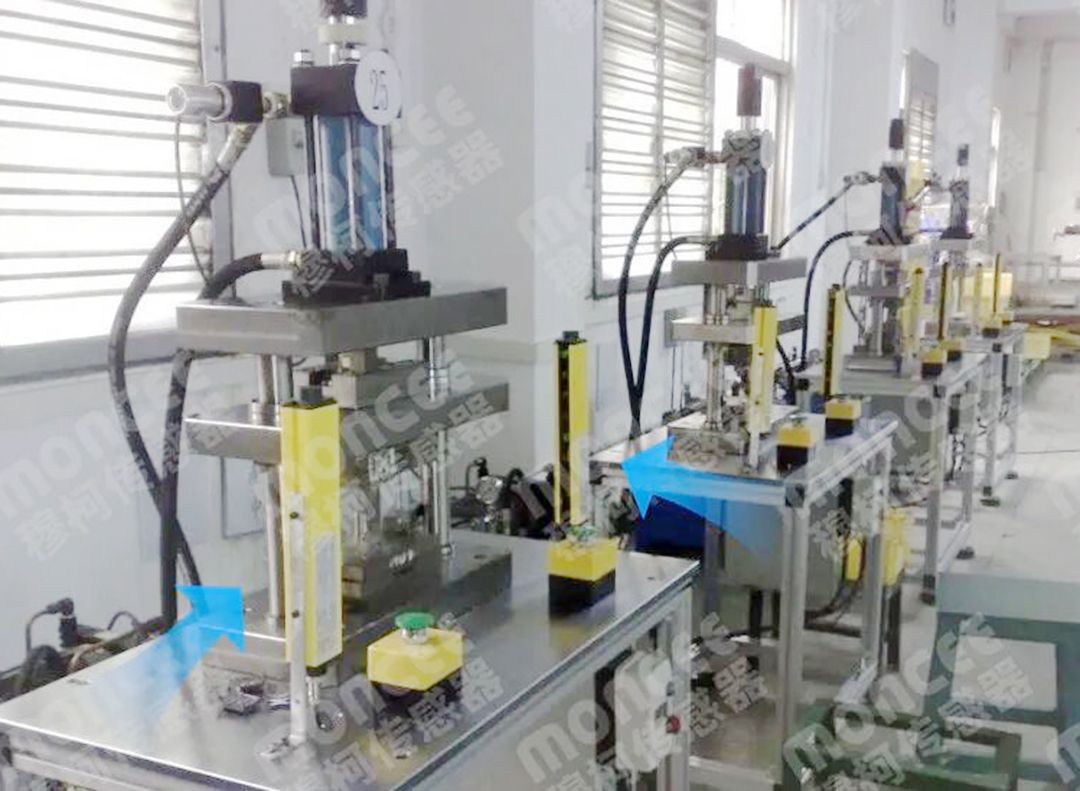
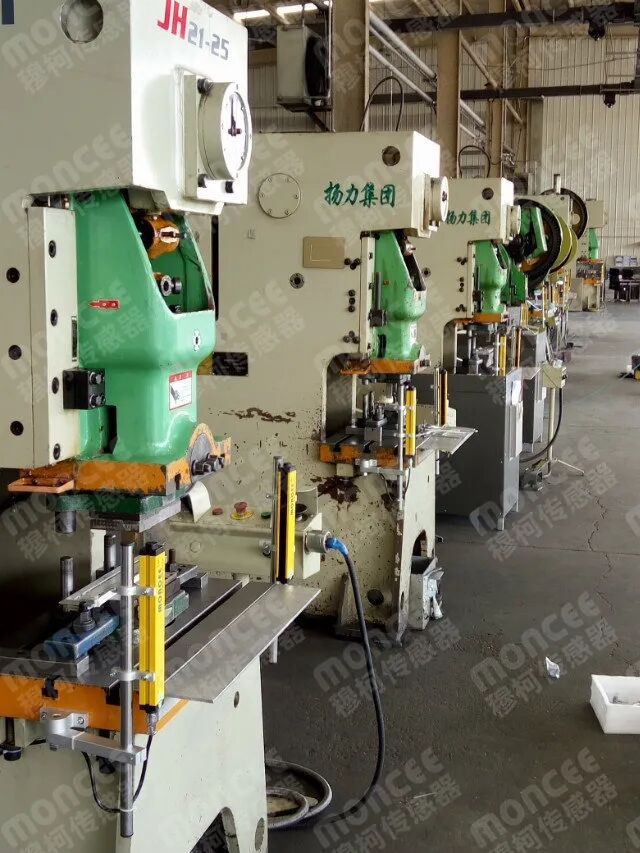
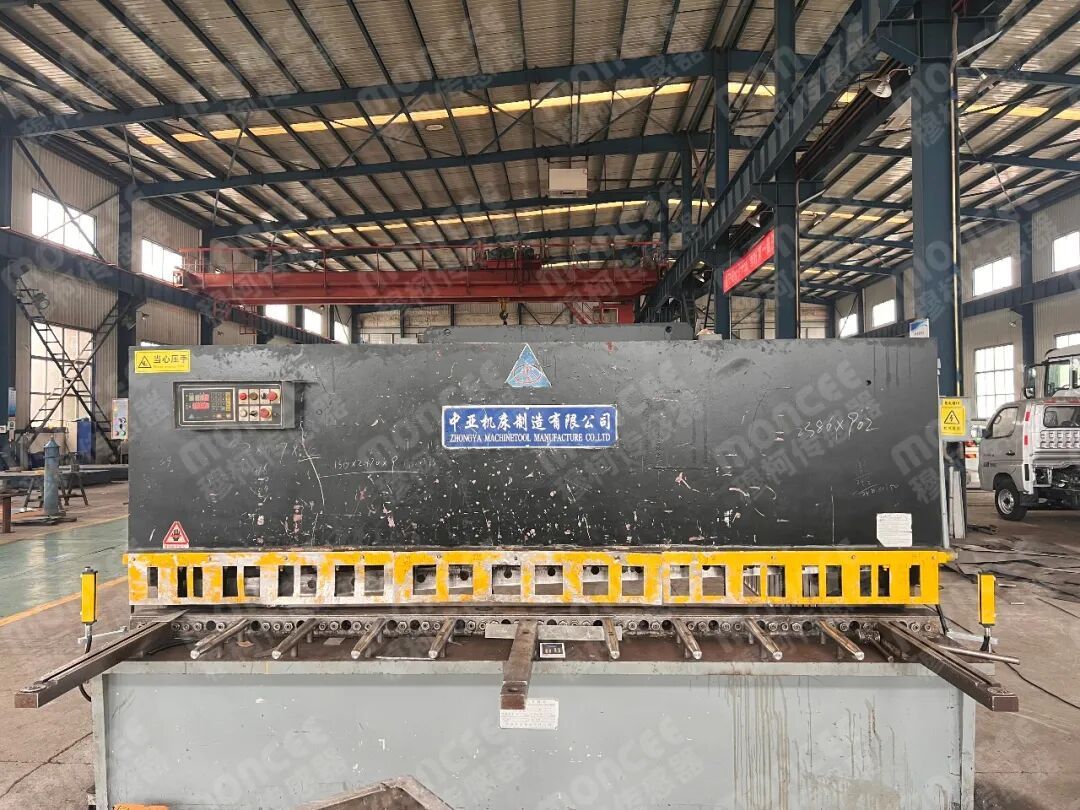
The GT Series is designed for industrial applications including press machines, punching machines, shearing machines, injection molding machines, cutting machines, assembly machines, and automated production equipment.
These applications can have very different protection requirements.
Before requesting a quotation, determine:
What machine needs protection?
Where is the hazardous area?
What protection height is required?
What detection capability is needed?
What is the required detection distance?
How will the light curtain connect to the machine controller?
What environmental conditions exist around the installation?
This prevents a common procurement mistake: buying a technically capable product that is nevertheless unsuitable for the actual machine.
3. Optimize Beam Spacing Instead of Over-Specifying
Beam spacing is one of the most important selection variables because it affects the detection capability of the safety light curtain.
The GT Series provides beam spacing options of:
10 mm / 20 mm / 30 mm / 40 mm / 80 mm
Different models are available with different numbers of beams and protection heights. The documented protection height range extends from approximately 100 mm to 2840 mm, depending on model selection.
The purchasing objective should not simply be to select the smallest beam spacing available.
Instead, match the configuration to the actual risk assessment and application requirements.
Over-specification can increase unnecessary equipment cost, while under-specification may fail to provide the required level of protection.
Smart selection means paying for the protection you actually need—not specifications you will never use.
4. Reduce Downtime Through Better System Integration
Downtime often originates not from the light curtain itself, but from difficulties integrating the safety device with the machine control system.
The GT Series documentation shows compatibility with safety controllers including SBC-01, SPC-01 and SR series, while wiring configurations include NPN/PNP and relay-related connection options.
This gives equipment manufacturers and system integrators more flexibility when designing the safety circuit.
For an OEM project, it is therefore useful to evaluate the complete solution rather than purchasing the light curtain independently.
Ask the supplier:
Is a dedicated safety controller required?
Can the output interface match the existing PLC or safety circuit?
What wiring configuration is available?
What reset method is supported?
What technical documentation is provided?
Can the supplier assist during commissioning?
Reducing engineering uncertainty before installation can help prevent unnecessary commissioning delays.
5. Choose the Right Detection Distance for the Machine Layout
Another important factor is working range.
The current GT Series maximum detection distance is 20 m. The older brochure supplied for reference shows 24 m, but that figure is outdated and should not be used for current product selection.
For procurement teams, this illustrates an important point:
Always confirm the latest technical specification with the manufacturer before placing an order.
Selecting a model based on outdated documentation can create unnecessary engineering changes or specification mismatches later in the project.
When requesting a quotation, provide the actual distance between the emitter and receiver. The manufacturer can then confirm whether the proposed configuration is appropriate.
6. Environmental Compatibility Can Protect Long-Term ROI
Industrial environments are rarely as clean as laboratories.
Dust, vibration, temperature fluctuations, ambient light, and accidental mechanical impact can all influence equipment performance and maintenance requirements.
The GT Series documentation specifies an IP65 protection rating and an operating temperature range of approximately -10°C to +55°C without condensation. The brochure also highlights anti-light-interference and anti-vibration design characteristics.
For procurement, these specifications should be compared with the actual installation environment.
For example:
Indoor clean assembly area → standard configuration may be sufficient.
Industrial production environment → environmental protection becomes more important.
The goal is to avoid both under-protection and unnecessary over-specification.
7. Reduce Compliance-Related Engineering Costs
Safety compliance is not only about buying a certified component. The complete machine safety system must be properly designed, installed, wired, commissioned, and maintained.
The GT Series documentation references IEC 61496-1/2 and CE-related product information, while the associated safety controllers provide additional safety-system functions.
For manufacturers selling machines internationally, complete technical documentation can also reduce communication and engineering costs.
Before purchasing, request:
Product datasheet
Model selection table
Wiring diagram
Installation instructions
Certification information
Safety controller documentation
Mechanical dimensions
Connection information
Having these materials available before engineering begins can reduce the risk of redesigning the safety circuit later.
8. Calculate ROI Using the Total Cost of Ownership
A more realistic Industrial Safety Light Curtain ROI calculation should include more than the purchase price.
Consider:
Total Cost = Product + Engineering + Installation + Commissioning + Maintenance + Replacement + Downtime
Then compare this against the operational benefits generated by the selected solution.
For example, if a plant experiences frequent unnecessary safety-related interruptions, the purchasing team should first identify:
How often does the machine stop?
How long does each interruption last?
How much production is lost?
How much labor is required to restart the machine?
How frequently does the problem occur?
Once these figures are available, the company can establish a baseline and determine whether a better-selected safety solution is delivering measurable ROI.
This is a more credible way to pursue a 40% downtime-reduction target than simply assuming that any Industrial Safety Light Curtain will automatically deliver a fixed percentage improvement.
9. Use a Sample Before Committing to Volume Procurement
For OEM manufacturers and distributors, one of the most effective purchasing strategies is to test the product before moving to large-scale procurement.
A practical process is:
Application analysis → Model recommendation → Sample → Machine integration → Trial production → Performance evaluation → Bulk order
During testing, evaluate:
Detection performance
Machine response
Wiring compatibility
Installation convenience
Alignment
Controller integration
Stability during production
Technical support from the supplier
The GT Series also provides mounting accessories such as rear sliding brackets, buffer brackets, floor stands, and tube brackets, which can support different installation arrangements.
A successful sample test gives procurement teams stronger evidence before entering long-term supply agreements.
10. Turn Safety Procurement into a Cost-Optimization Strategy
The biggest ROI opportunity often appears when companies stop treating safety light curtains as isolated components.
For OEM manufacturers, standardizing on a suitable product family can simplify:
Engineering design
Purchasing
Inventory management
Spare parts
Maintenance training
Technical documentation
Supplier management
The GT Series provides multiple beam spacings, protection heights, connection configurations, and compatible safety controllers, making a series-based procurement strategy possible for different machine applications.
Instead of asking:
“How much does one safety light curtain cost?”
ask:
“How much can we save across the entire machine lifecycle by selecting the right safety light curtain platform?”
That is the real foundation of Industrial Safety Light Curtain ROI.
Ready to Evaluate Your Industrial Safety Light Curtain ROI?
For plants, OEM machine manufacturers, system integrators, and industrial distributors, the next step should be a project-specific technical evaluation, not simply requesting a generic price list.
Prepare your:
Machine type
Hazardous area
Required protection height
Required beam spacing
Detection distance
Control-system requirements
Installation environment
Initial quantity
Estimated annual demand
Then ask the manufacturer for a recommended model, technical datasheet, wiring solution, sample, and quotation.
By comparing technical suitability, integration cost, downtime risk, and long-term supply cost together, you can move from simple component purchasing toward a measurable Industrial Safety Light Curtain ROI strategy—with the potential to make ambitious targets such as a 40% downtime reduction a data-driven operational objective rather than an unsupported marketing claim.



 English
 简体中文
简体中文 Indonesian
 Previous:
 Back to list


