
In automated manufacturing, a safety system must do more than stop a machine when an operator enters a hazardous area. It must protect personnel without unnecessarily disrupting the production cycle.
This is why selecting an Automation Safety Light Curtain should not be treated as a simple hardware purchase. For machine builders, automation integrators, and factory engineering teams, the real challenge is integrating the light curtain into the machine so that safety protection, machine response, operator workflow, and production efficiency work together.
An unsuitable configuration can create hidden costs through false stops, excessive reset operations, complicated wiring, installation rework, or unnecessary controller hardware.
A better strategy is to evaluate the safety light curtain as part of the complete automation system—not as an isolated sensor.
1. Why Automation Safety Light Curtain Integration Matters
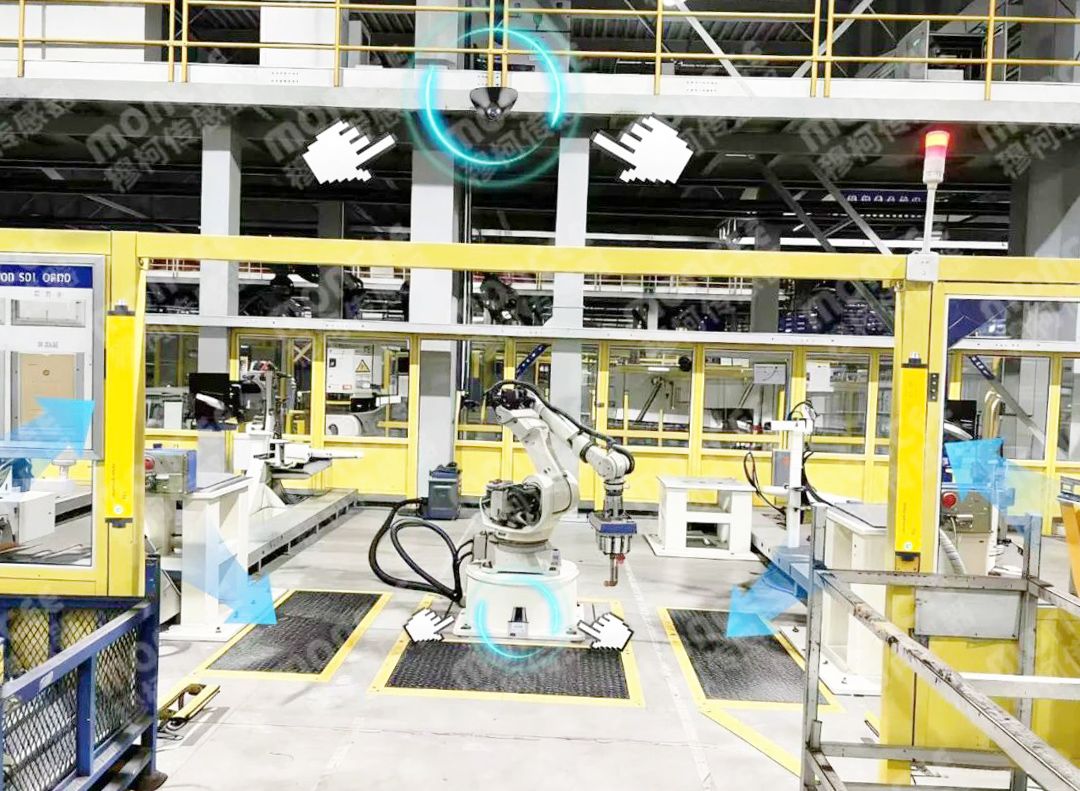
Automated production equipment often contains moving mechanisms that operate repeatedly and at high speed. Presses, punching machines, shearing machines, injection molding machines, cutting machines, assembly equipment, and other automated production systems can require safeguarding around hazardous operating zones.
In these applications, two objectives must be achieved simultaneously:
Protection:
The system must detect hazardous access and initiate the appropriate safety response.
Productivity:
The safeguarding system should not create unnecessary interruptions during normal production.
This creates an important engineering balance:
The best Automation Safety Light Curtain is not simply the most sensitive model. It is the model that provides the required protection while fitting the machine's operating cycle.
2. Start with the Production Process, Not the Light Curtain
Before selecting a model, map how operators, materials, and machine components interact.
Ask:
Where can personnel access the hazardous area?
Which movements create the highest risk?
Does material need to pass through the sensing area?
How frequently will operators enter the protected zone?
How quickly does the machine need to stop?
How is the machine restarted after a safety interruption?
Is the light curtain protecting a point of operation or an access area?
This process prevents a common integration mistake: installing a safety light curtain without considering how it will interact with the production sequence.
For example, a light curtain positioned across a material-transfer path may generate frequent interruptions if the automation process has not been designed around the sensing field.
The issue may not be the sensor itself—it may be the integration strategy.
3. Choose Beam Spacing According to the Actual Safety Requirement
Beam spacing is one of the most important configuration decisions.
The GT Series offers 10 mm, 20 mm, 30 mm, 40 mm, and 80 mm beam spacing options.
The correct choice should be determined by the required detection capability and machine risk.
A smaller beam spacing can provide finer detection, while larger spacing may be suitable for applications where the safeguarding design permits it.
For automation projects, this distinction also affects procurement efficiency.
Selecting unnecessarily fine beam spacing can increase product cost without improving the actual safeguarding strategy. Selecting spacing that is too large, however, can create a safety-design problem that is much more expensive to correct.
Therefore, the purchasing specification should begin with the risk and application requirement, rather than simply requesting the highest-resolution configuration.
4. Protection Height Should Follow the Machine's Access Pattern
Automation equipment often has irregular working zones. Operators may access a machine from the front, while materials or tooling enter from another direction.
The GT Series supports protection heights from 100 mm to 2840 mm, depending on model configuration.
When selecting an Automation Safety Light Curtain, engineers should consider the entire access pattern rather than simply measuring the machine opening.
Evaluate:
Operator entry points
Possible access above or below the sensing field
Material-transfer openings
Tooling movement
Mechanical guarding
Maintenance access
This is particularly important for OEM machine builders. A light curtain that appears correct during design review may require modification once the complete machine layout is assembled.
Getting the protection height right before procurement helps reduce bracket changes, wiring modifications, installation delays, and commissioning costs.
5. Protect the Cycle Time by Designing the Safety Response Correctly
A safety interruption should trigger the appropriate machine response—but the response should also be correctly integrated into the automation sequence.
This means the engineering team should define:
Detection → Safety signal → Machine stop → Fault/reset condition → Restart
rather than treating the light curtain as an independent on/off device.
The GT Series can be integrated with dedicated safety controllers including SBC-01, SPC-01, and SR Series controllers. The documentation also provides PNP/NPN connection methods for PLC/control-system integration in configurations where the overall safety design permits it.
This flexibility allows system designers to select an architecture appropriate to the machine.
However, the objective should not simply be to minimize hardware.
The correct question is:
Which control architecture provides the required safety function with the least unnecessary engineering complexity?
A cheaper light curtain combined with complicated additional hardware may ultimately cost more than a better-integrated solution.
6. Detection Distance Should Match the Automation Layout
The physical arrangement of an automated machine determines the required distance between the transmitter and receiver.
The current GT Series working range is up to 20 m.
When specifying the product, engineers should calculate the actual installation distance and provide an appropriate margin rather than automatically selecting the maximum available range.
For large automation lines, incorrect distance selection can result in:
Additional mounting structures
Relocation of electrical components
Cable-routing changes
Alignment difficulties
Installation rework
For OEM projects, these seemingly minor issues become significant when the same machine design is reproduced dozens or hundreds of times.
A small engineering mistake in the first machine can become a recurring production cost.
7. Consider the Environment Before Finalizing the Integration
Automation equipment may operate in environments with dust, vibration, temperature changes, or other industrial disturbances.
The GT Series specifies IP65 protection and an operating temperature range of -10°C to +55°C without condensation. The brochure also describes anti-light-interference and anti-vibration design features.
Before purchasing, compare these specifications with the actual application.
For example:
Is the machine exposed to dust?
Is coolant or water present?
Is there significant vibration?
Could strong external light affect installation?
Is the equipment located close to other moving machinery?
Environmental compatibility affects not only safety performance but also maintenance frequency and production availability.
8. Installation Hardware Can Affect Integration Cost
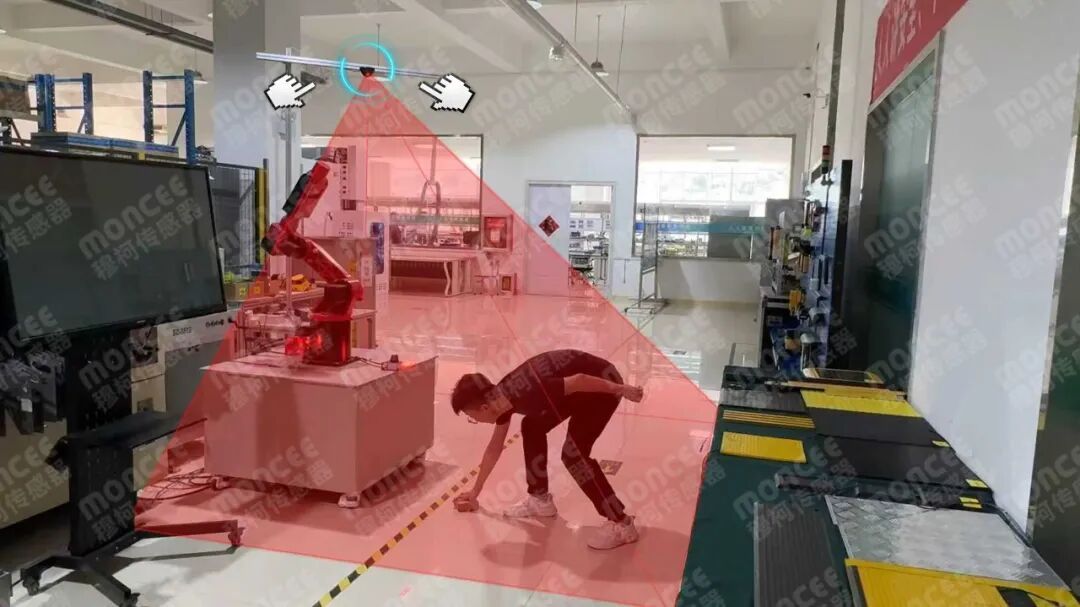
A safety light curtain does not exist independently of its mechanical installation.
The GT Series documentation provides multiple installation accessories, including BL rear sliding brackets, HL two-end buffer brackets, LD-1500 floor stands, and GTE tube brackets.
This matters when calculating project cost.
A procurement team should consider:
Light curtain + controller + mounting hardware + wiring + installation + commissioning
rather than comparing the sensor unit price alone.
For standardized OEM machines, using an appropriate mounting solution from the beginning can also simplify assembly and improve consistency between machines.
9. Sample Testing Is the Best Way to Protect Cycle Time
Before committing to volume procurement, test the Automation Safety Light Curtain on a representative machine.
A practical test should verify:
Alignment stability
Detection performance
Safety circuit response
PLC/controller integration
Reset behavior
Operator workflow
Material-transfer process
Installation and maintenance access
The GT Series documentation specifically includes commissioning and test procedures covering power supply, alignment, indicator status, safety circuit operation, and light-curtain functionality before production.
The goal of sample testing is not merely to determine whether the light curtain works.
It is to determine whether the entire automation process works efficiently with the safety system installed.
10. Use Integration Requirements to Negotiate a Better Supplier Deal
For B2B buyers, technical information can also become a powerful procurement tool.
Instead of sending a supplier only:
“Please quote 100 safety light curtains.”
Provide a complete project specification:
Machine type
Hazard location
Protection height
Beam spacing
Working distance
Control-system architecture
Required output type
Environmental conditions
Mounting requirements
Initial quantity
Expected annual demand
Then request:
Recommended model
Technical datasheet
Wiring diagram
Controller recommendation
Mounting accessories
Sample unit
Bulk quotation
Lead time
OEM customization options
This allows the supplier to quote a complete application solution rather than an isolated component.
It also gives buyers a stronger basis for comparing suppliers on engineering capability, not just price.
Conclusion: Optimize the Whole Automation System, Not Just the Sensor
Successful Automation Safety Light Curtain integration is ultimately a balance between protection, machine cycle time, engineering simplicity, and total cost.
The lowest-priced light curtain may not produce the lowest project cost. Likewise, the highest specification does not automatically create the best production result.
The better strategy is to match beam spacing, protection height, working range, control architecture, environmental requirements, and mounting method to the actual machine application.
For OEMs, automation integrators, distributors, and industrial procurement teams, the most effective purchasing process is to define the application → request a technical recommendation → test a sample → validate the integration → then proceed to volume procurement.
If you are sourcing an Automation Safety Light Curtain for an automated machine, provide the machine type, hazardous area, required protection height, beam spacing, working distance, control system, operating environment, and purchase quantity. A qualified manufacturer can then recommend the appropriate configuration and provide the technical documentation, wiring solution, sample, and quotation needed for the next stage of procurement.
Technical specifications in this article are based on the provided GT Series Safety Light Curtain documentation. Final safeguarding design and compliance should always be determined according to the machine's risk assessment and applicable requirements.



 English
 简体中文
简体中文 Indonesian
 Previous:
 Back to list


