
For OEM manufacturers, automation companies, machine builders, and industrial distributors, buying an industrial safety bumper online can be much more efficient than relying on traditional sourcing channels. However, industrial safety products are not ordinary off-the-shelf components. Choosing the right supplier requires more than comparing prices and product photos.
The right industrial safety bumper should match the machine structure, installation space, contact direction, Trigger Force, Trigger Distance, electrical configuration, and operating environment. Buyers should also consider whether the supplier can provide samples, technical support, customization, and reliable repeat production.
With online industrial sourcing becoming increasingly common, manufacturers now have more opportunities to compare suppliers and purchase customized safety solutions directly.
What Is an Industrial Safety Bumper?
An industrial safety bumper is a pressure-sensitive safety device designed to detect physical contact or compression on moving machinery and equipment.
When the bumper is compressed, it can generate a switching signal that is integrated into the machine's safety control system. Pressure-sensitive safety devices are commonly used on moving machine parts, large doors, AGVs, and other equipment where contact detection is required. ABB, for example, describes safety bumpers as pressure-sensitive devices used for protection against crushing injuries, including applications involving automated guided vehicles and moving machinery.
For OEM applications, an industrial safety bumper is therefore more than a protective cushion. It is part of a larger machine safety architecture and should be selected according to the actual motion and risk conditions of the equipment.
Where Can You Buy Industrial Safety Bumpers Online?
There are several practical online sourcing channels available today.
1. Directly From the Manufacturer
For OEM and industrial projects, buying directly from a manufacturer can be one of the most effective options.
Direct manufacturers can often provide more than a standard product. Depending on the supplier, buyers may be able to request customized lengths, profiles, cable configurations, mounting solutions, and other application-specific requirements.
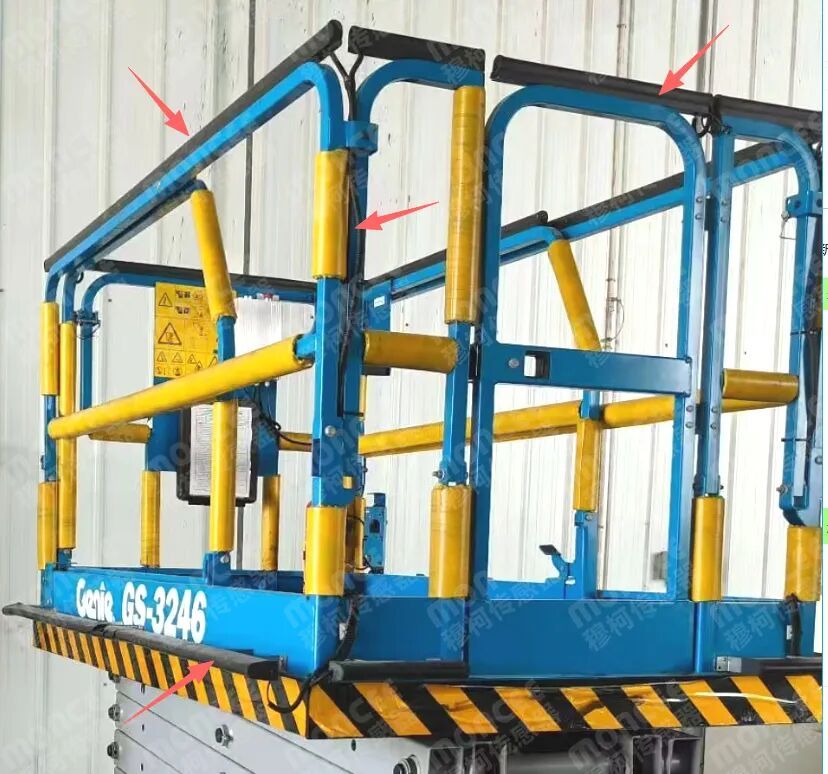
For example, Moncee's safety-edge product information states that different profile shapes can accommodate different Trigger Force and Trigger Distance requirements. Its published information also describes applications including AGVs, welding robots, rubber machinery, assembly equipment, and material-handling systems.
This type of direct sourcing is particularly valuable when an OEM needs the same customized specification repeatedly.
2. Industrial Online Distributors
Industrial distributors and online automation stores provide another convenient purchasing route.
Some platforms allow buyers to configure safety edges and safety bumpers according to required dimensions before ordering. Automation24, for example, offers configurable safety products from ASO Safety Solutions, including safety bumpers that can be purchased in specified lengths.
This approach is useful when the buyer already knows the required product specification and needs a relatively straightforward purchasing process.
However, online distributor availability can vary by country, stock level, product configuration, and customization requirements.
3. B2B Industrial Marketplaces
B2B marketplaces can also be useful for discovering manufacturers and comparing different suppliers.
They are particularly helpful during the initial sourcing stage, when buyers want to compare:
Product configurations
Supplier capabilities
Minimum order quantities
Customization options
Lead times
Packaging
Export experience
However, buyers should not select an industrial safety bumper based only on the lowest online price. Product specifications, quality consistency, technical documentation, and engineering support are much more important for machine-building applications.
What Should You Check Before Ordering Online?
A professional purchasing process should begin with technical requirements rather than price.
Trigger Force
Trigger Force is one of the most important specifications for a pressure-sensitive safety product.
Different machines may require different activation characteristics. A bumper designed for one application may not necessarily be appropriate for another.
Trigger Distance
Trigger Distance describes how much compression is required before the safety edge or bumper reaches the required detection condition.
Moncee's technical information specifically recommends considering both Trigger Distance and contact force when selecting the appropriate safety-edge model.
These parameters should be evaluated together with machine speed, stopping characteristics, and installation geometry.
Profile and Dimensions
The physical profile must fit the machine.
Before ordering, buyers should confirm:
Overall profile dimensions
Required bumper length
Mounting position
Mounting rail requirements
Bending or curvature requirements
Cable outlet position
Available installation space
A product that looks suitable online may still be unsuitable if its physical profile does not match the equipment.
Electrical Configuration
Buyers should also confirm the required electrical configuration.
Depending on the product and control architecture, safety edges may be available with normally open or normally closed configurations. Moncee's published safety-edge information, for example, identifies both NO and NC configurations.
The selected configuration should be compatible with the machine's safety controller or control circuit.
Should You Buy Standard or Customized Industrial Safety Bumpers?
This depends on the application.
For a simple replacement or standardized installation, an off-the-shelf industrial safety bumper may be sufficient.
For OEM machinery, however, customization can be significantly more valuable.
A customized solution may involve:
Custom length
Custom profile
Custom bending
Custom cable length
Different cable outlet positions
Specific mounting holes
Application-specific Trigger Force
Application-specific Trigger Distance
Direct manufacturers can often review drawings or samples before production. Moncee's published information, for example, describes customization of safety-edge cross-sections, lengths, and bending profiles.
For an OEM purchasing hundreds or thousands of units over time, this level of customization can make a major difference to installation efficiency and production consistency.
Why Technical Support Matters When Buying Online
One of the biggest differences between industrial safety products and ordinary online purchases is technical communication.
A professional supplier should be able to discuss your application before recommending a product.
Ideally, you should be able to provide:
Machine drawings
Installation dimensions
Required bumper length
Equipment operating speed
Contact direction
Trigger Force requirements
Trigger Distance requirements
Wiring requirements
Operating environment
Estimated order quantity
With this information, the supplier can recommend a more appropriate configuration instead of simply sending a generic product link.
For customized OEM projects, the supplier should also be able to support sample evaluation before moving into volume production.
Online Price Is Not the Only Purchasing Factor
When searching for an industrial safety bumper online, it is tempting to compare suppliers primarily by price.
That can be misleading.
A lower unit price may not include:
Engineering support
Custom tooling
Sample development
Special cable configurations
Mounting components
Quality inspection
Technical documentation
After-sales support
For an industrial OEM project, the total procurement cost includes engineering time, installation time, replacement risk, logistics, and supply stability.
A slightly higher-quality product from a responsive manufacturer may therefore deliver better commercial value over the complete project lifecycle.
Why Buy Industrial Safety Bumpers Directly From a Specialized Manufacturer?
A specialized manufacturer can be particularly attractive for companies that need repeated customized orders.
Instead of selecting from a fixed online catalog, OEM buyers can discuss the actual machine requirements and develop a product configuration around the application.
This is especially useful for:
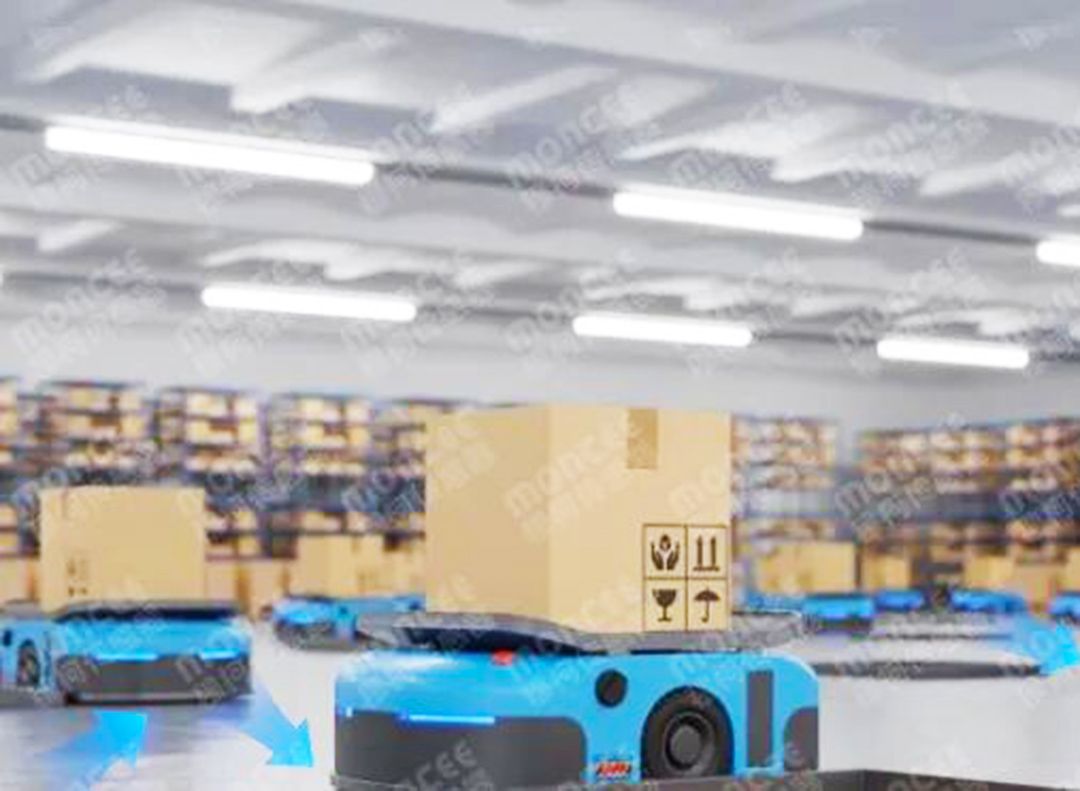
AGV manufacturers
AMR and mobile robot manufacturers
Industrial door manufacturers
Packaging machinery manufacturers
Material-handling equipment manufacturers
Rubber machinery manufacturers
Assembly machinery manufacturers
Machine builders
Automation system integrators
The objective is not simply to purchase a bumper. It is to establish a repeatable supply solution that can support the equipment throughout its production lifecycle.
A Better Way to Source Industrial Safety Bumpers Online
The best online purchasing process combines convenience with engineering evaluation.
Start by defining the application. Then compare suppliers based on technical capability, customization options, sample support, production capacity, communication, and long-term supply reliability.
For international OEMs and distributors, it is also worth considering whether the manufacturer has experience supporting overseas customers and can provide the documentation required for your project.
A supplier that can move smoothly from drawing review → specification confirmation → sample → testing → production → repeat order can provide considerably more value than a supplier that simply lists a low-cost product online.
Conclusion
Finding an industrial safety bumper online is easy. Finding the right industrial safety bumper supplier requires a more careful approach.
Online distributors can be convenient for standard products, while direct manufacturers may provide greater flexibility for customized OEM applications. Before placing an order, buyers should confirm the profile, dimensions, Trigger Force, Trigger Distance, wiring configuration, installation method, and operating environment.
For OEM and automation projects, supplier capability is equally important. A strong supplier should be able to review drawings, provide samples, support customization, maintain consistent production quality, and supply repeat orders.
If you are currently looking for an industrial safety bumper for a machine or automation project, send the supplier your equipment drawing, required dimensions, bumper length, operating speed, contact direction, Trigger Force, Trigger Distance, wiring requirements, and estimated quantity.
With the right technical information, online sourcing can become more than a simple purchasing process—it can become a practical way to establish a reliable, customized, long-term industrial safety supply chain.



 English
 简体中文
 Indonesian
 Previous:
 Back to list


